Web Development Made Easy and Fun
Web Development Made Easy and Fun the digital world is constantly evolving, and web development stands at its very heart, enabling individuals and businesses to craft unique online experiences. But the idea of building a website or an application often seems daunting to many, cloaked in complex jargon and intimidating lines of code. What if web development could be, instead, an accessible, enjoyable journey? Welcome to the era of easy fun web development, where creativity meets simplicity and learning transforms into an adventure.
This comprehensive guide explores how modern tools, approachable techniques, and innovative mindsets are turning web development into a playground for creators of all skill levels. Whether you’re a curious beginner or a seasoned coder looking to rekindle your passion, there’s a wealth of insights waiting to be uncovered.
Breaking Down Barriers: Web Development for Everyone
Historically, web development was the exclusive domain of those fluent in multiple programming languages and technical concepts. The barrier to entry was steep. But today, with the advent of intuitive frameworks, drag-and-drop builders, and educational resources, web development is becoming democratized.
The phrase easy fun web development encapsulates this shift perfectly. It signals a departure from overwhelming complexity towards a user-centric, engaging process. By minimizing friction, developers and hobbyists alike find themselves more empowered, more creative, and ultimately more productive.
The Rise of No-Code and Low-Code Platforms
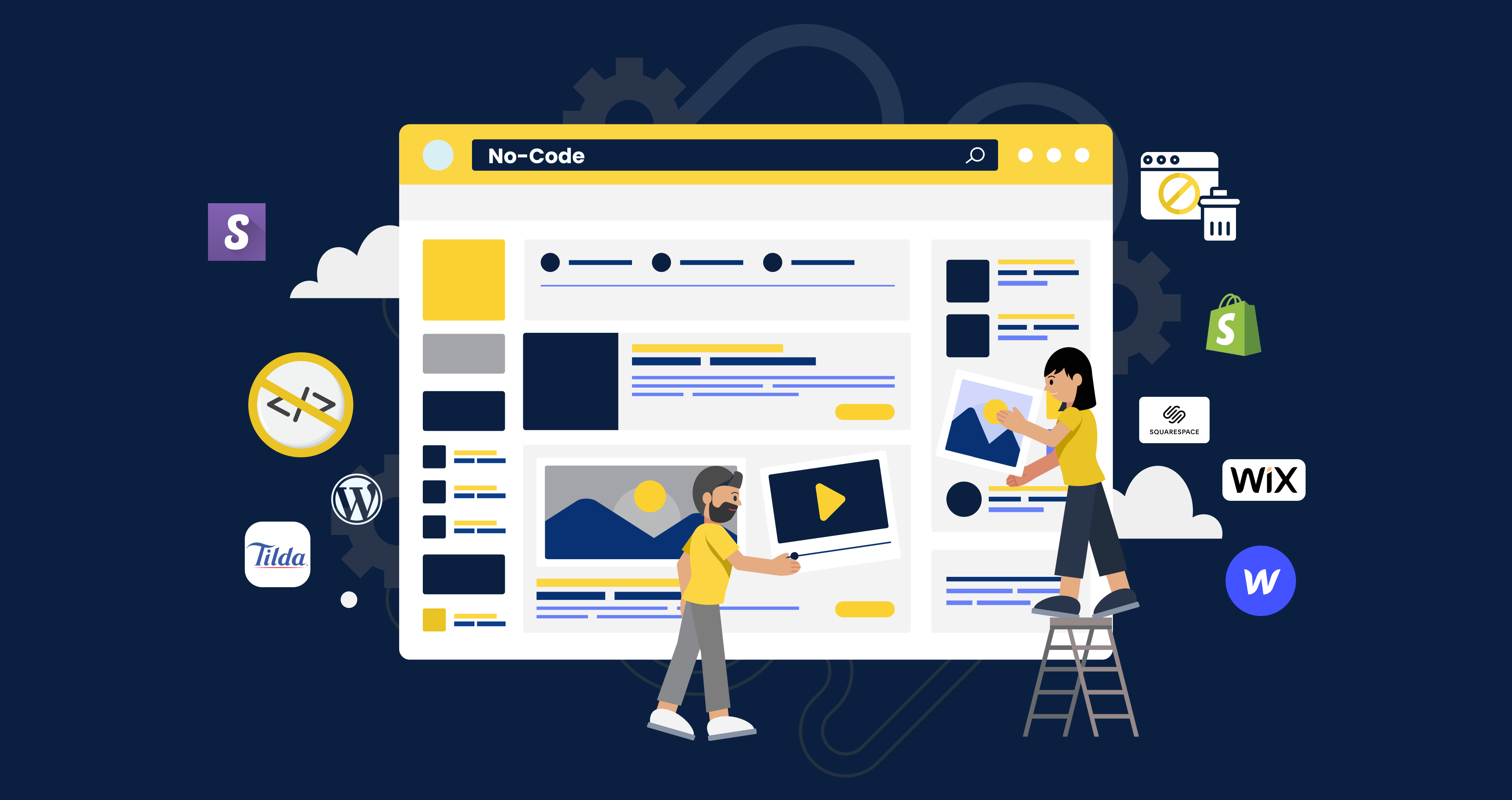
One of the most transformative trends driving easy fun web development is the proliferation of no-code and low-code platforms. These tools allow users to build functional websites and apps without writing a single line of code—or with minimal coding.
No-Code Platforms
No-code builders like Webflow, Wix, and Squarespace provide visual interfaces where users can drag and drop elements to design layouts, add animations, and embed functionality. The learning curve is gentle, and the results are often professional-grade. These platforms come equipped with templates, responsive designs, and integrated hosting, reducing the need to manage multiple services.
Low-Code Platforms
Low-code platforms, such as Bubble and OutSystems, offer more flexibility by combining visual design with the ability to add custom logic and integrations. This hybrid approach caters to users who want more control without the full complexity of traditional development.
Both paradigms empower businesses and creators to prototype rapidly, iterate on feedback, and launch quickly. The process feels less like a chore and more like a creative endeavor—a hallmark of easy fun web development.
Embracing Playful Learning: Gamification and Interactive Tutorials
Learning web development need not be a grind of tedious tutorials and dense textbooks. Increasingly, educational platforms incorporate gamification to transform skill acquisition into an engaging experience.
Sites like Codecademy, FreeCodeCamp, and Scrimba gamify coding challenges by awarding badges, unlocking levels, and providing instant feedback. This approach taps into intrinsic motivation, making learning addictive and rewarding.
Such interactive tutorials bridge theory and practice seamlessly, guiding learners through hands-on projects that build confidence and competence. When learning is fun, the journey becomes as enjoyable as the destination—a true embodiment of easy fun web development.
Simplified Coding with Modern Frameworks and Libraries
The coding landscape itself is evolving to support ease and enjoyment. Modern frameworks and libraries abstract away much of the boilerplate code, allowing developers to focus on creativity and problem-solving.
React and Vue.js
React and Vue.js exemplify this trend. They enable developers to build dynamic user interfaces through reusable components. These components reduce redundancy and promote cleaner, more maintainable code. The learning curve, while present, is softened by comprehensive documentation and a vibrant community.
Tailwind CSS
Tailwind CSS, a utility-first CSS framework, transforms styling into a composable, intuitive experience. Instead of wrestling with complex CSS files, developers apply small, descriptive classes directly in HTML, accelerating the design process while retaining full control.
These tools not only increase productivity but also bring a sense of joy and artistry to development, hallmarks of easy fun web development.
Collaboration and Community: Fueling the Fun
Web development is not a solitary pursuit. It thrives on collaboration, knowledge exchange, and community spirit. Modern platforms foster these connections, turning development into a social and rewarding activity.
GitHub and GitLab
Version control platforms like GitHub and GitLab facilitate collaborative coding by managing changes, tracking issues, and enabling peer reviews. The ability to contribute to open-source projects, receive feedback, and share solutions cultivates a vibrant ecosystem where learning is accelerated and fun is amplified.
Developer Communities and Forums
Communities such as Stack Overflow, Reddit’s r/webdev, and various Discord servers provide spaces for discussion, problem-solving, and inspiration. Engaging with peers helps demystify challenges and encourages a playful exploration of new technologies.
This social aspect transforms development from a solitary grind into a dynamic, enjoyable journey—the very essence of easy fun web development.
Visual Development Environments and Live Previews
Instant gratification is a powerful motivator. Visual development environments that offer live previews and real-time feedback streamline the creative process, reducing frustration and boosting morale.
CodePen and JSFiddle
Platforms like CodePen and JSFiddle enable developers to write HTML, CSS, and JavaScript and instantly see the results. This immediacy fosters experimentation and quick learning.
Integrated Development Environments (IDEs)
Modern IDEs like Visual Studio Code feature live previews, IntelliSense (smart code completion), and debugging tools that make coding smoother and more enjoyable. Extensions for themes, snippets, and language support allow customization tailored to personal workflow preferences.
Such tools reduce cognitive load and make coding feel more interactive and gratifying—core tenets of easy fun web development.
Building With Purpose: Personal Projects and Passion
Nothing fuels motivation like building something meaningful. When developers work on personal projects, the joy of creation often eclipses technical hurdles.
Whether it’s a portfolio site, a blog, or a quirky app, personal projects offer a sandbox for experimentation. They provide space to try new tools, break norms, and invent without pressure. This intrinsic motivation transforms development into a hobby rather than a task.
This synergy between purpose and play is a key ingredient in making web development not just easy but genuinely fun.
Leveraging Automation to Minimize Mundanity
Repetitive tasks—code formatting, testing, deployment—can drain enthusiasm. Automation tools help reclaim that lost energy by handling mundane processes.
Continuous Integration/Continuous Deployment (CI/CD)
Platforms like CircleCI, Travis CI, and GitHub Actions automate testing and deployment workflows. This not only accelerates release cycles but also ensures higher quality, reducing bugs and errors.
Code Linters and Formatters
Tools like ESLint and Prettier maintain code consistency and prevent errors by automatically enforcing style guides and spotting potential issues. They save time and mental energy, allowing developers to focus on creative problem-solving.
By automating the grunt work, developers experience more flow and less frustration, embodying the spirit of easy fun web development.
Accessibility and Inclusivity: Creating for All
Fun and ease in web development also come from crafting experiences that welcome everyone. Accessibility ensures that websites and applications can be used by people with disabilities, expanding reach and impact.
Developers use semantic HTML, ARIA roles, and testing tools like Axe and Lighthouse to audit accessibility. This practice not only fulfills ethical responsibilities but also improves usability for all users.
Building with inclusivity in mind adds depth and satisfaction to development, aligning with the holistic philosophy of easy fun web development.
Progressive Web Apps: The Best of Both Worlds
Progressive Web Apps (PWAs) combine the reach of the web with the functionality of native apps. They offer offline access, push notifications, and home screen installation without the friction of app stores.
Tools like Workbox simplify PWA creation, letting developers build engaging, performant apps with relative ease. This fusion of power and simplicity captures the essence of easy fun web development—delivering delightful user experiences through manageable development workflows.
Staying Ahead: Continuous Learning and Adaptation
Web development’s dynamic nature means that staying current is both a challenge and a thrill. Embracing a mindset of continuous learning keeps the journey fresh and stimulating.
Online courses, coding bootcamps, webinars, and tech conferences provide myriad avenues for growth. Subscribing to newsletters, blogs, and podcasts ensures a steady stream of insights.
This commitment to growth nurtures curiosity and resilience, vital ingredients to maintaining the fun and ease in development.
The Psychological Edge: Flow State in Coding
Achieving a flow state—where focus, enjoyment, and productivity converge—is the pinnacle of easy fun web development. The right environment, tools, and mindset facilitate this immersive experience.
Flow emerges when challenges align with skill levels, goals are clear, and distractions fade away. Developers often find this state while debugging tricky issues, designing elegant solutions, or experimenting with new technologies.
Cultivating flow makes development not just easier, but profoundly fulfilling.
The notion that web development is hard, tedious, or inaccessible is rapidly becoming obsolete. Thanks to a surge in innovative platforms, community support, and evolving methodologies, easy fun web development is a tangible reality.
By harnessing no-code/low-code tools, engaging with interactive learning, leveraging modern frameworks, and embracing collaboration and automation, anyone can transform the way they build on the web. This approach infuses the process with creativity, satisfaction, and enthusiasm—key elements that empower both individuals and organizations to thrive in the digital age.
Web development, at its best, is an exhilarating craft—a dance of logic and imagination made accessible and enjoyable. Dive in, explore, and discover how easy and fun building for the web can truly be.