Fast-Track Your Web Development Journey
Fast-Track Your Web Development Journey in the rapidly evolving digital landscape, mastering web development efficiently isn’t just a preference—it’s a necessity. Whether you’re a budding developer eager to build your first site or an entrepreneur aiming to launch an online presence, the ability to accelerate your learning curve can be a game-changer. This comprehensive guide unpacks practical strategies and insights to help you fast track web journey with confidence, creativity, and clarity.

Understanding the Need to Fast Track Your Web Development Journey
Web development encompasses a broad spectrum of skills, tools, and concepts. From mastering HTML, CSS, and JavaScript to understanding backend frameworks, databases, and deployment, the terrain can seem daunting. The traditional approach often involves a long, linear learning process that can sap motivation and time.
But the demand for rapid results in today’s competitive market urges a more focused, accelerated path. Fast-tracking your learning means distilling essential knowledge, leveraging cutting-edge tools, and applying best practices early on. The goal is not just to learn quickly but to learn smartly—prioritizing practical skills that yield immediate and meaningful outcomes.
Setting Clear Goals and Milestones
To effectively fast track web journey, start with a roadmap that aligns with your ambitions. What kind of websites or applications do you want to build? Are you targeting frontend aesthetics, backend robustness, or full-stack proficiency? Defining specific, measurable goals streamlines your learning process.
Create milestones to segment the journey. For example, mastering responsive layouts could be a milestone, followed by integrating APIs, and then deploying a project online. Each milestone builds confidence and momentum. Without this structure, it’s easy to get overwhelmed or distracted by the vastness of web technologies.
Leveraging Modern Learning Resources
Gone are the days when learning web development meant flipping through bulky textbooks or sifting through dense tutorials. The internet is a treasure trove of resources designed for fast, interactive learning.
Platforms like freeCodeCamp, Codecademy, and The Odin Project offer structured courses that blend theory with hands-on projects. These platforms focus on teaching by doing—a crucial aspect when your goal is to fast track web journey. Real coding practice ingrains concepts faster than passive reading.
Moreover, YouTube channels and developer blogs provide bite-sized tutorials and latest trends, enabling you to stay current without getting bogged down by outdated information.
Embracing No-Code and Low-Code Tools for Rapid Prototyping
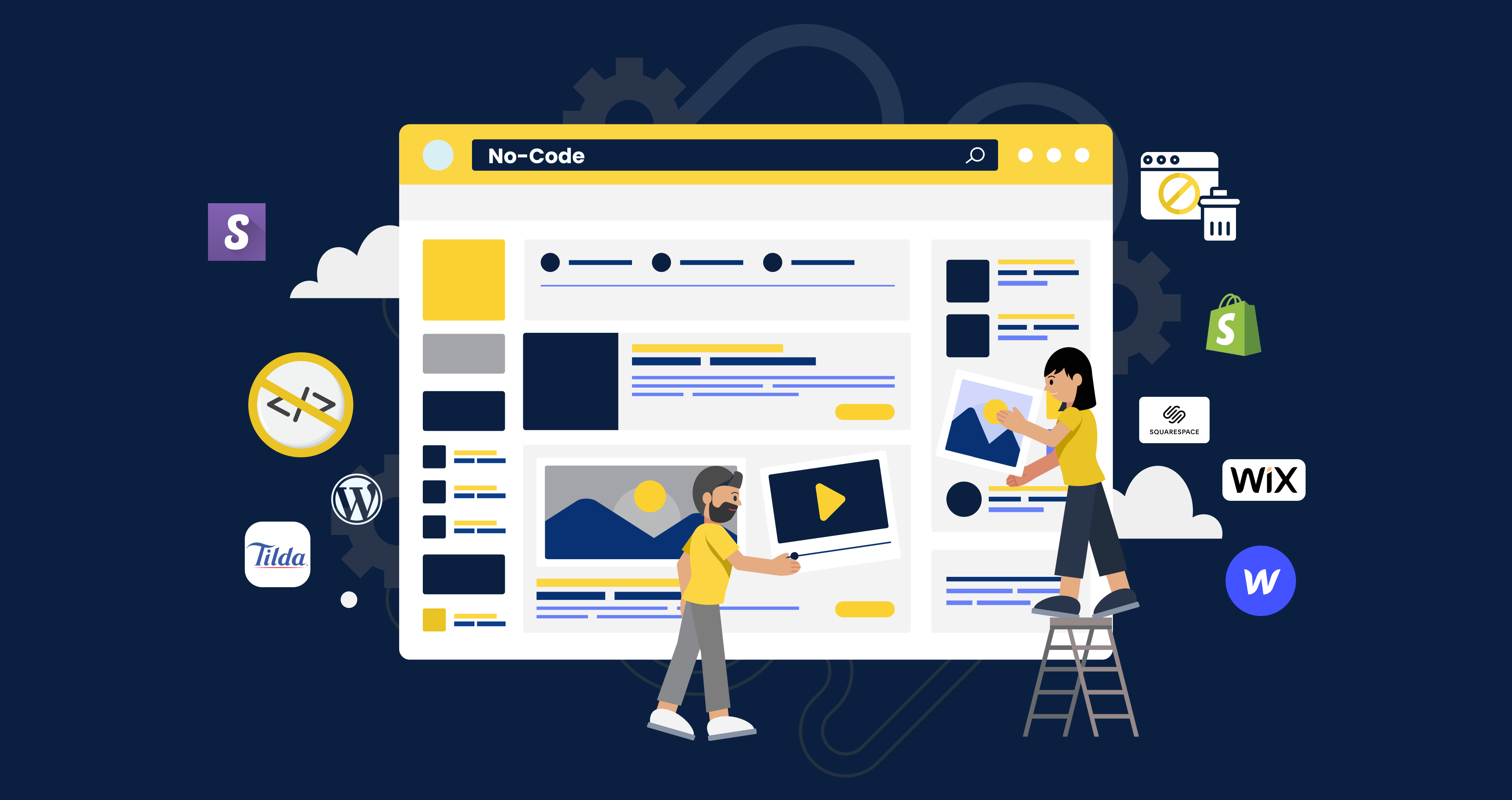
Not everyone needs to become a full-fledged coder overnight. No-code and low-code platforms have revolutionized the ability to bring ideas to life swiftly, without deep programming expertise.
Tools like Webflow, Bubble, and Wix empower users to build sophisticated websites through visual interfaces and modular components. For aspiring developers, these platforms offer valuable insights into design logic, user flows, and responsive layouts—all crucial in web development.
By integrating no-code tools into your learning process, you can fast track web journey by prototyping ideas, validating concepts, and iterating designs much faster than traditional coding cycles.
Focusing on Core Technologies First
Web development comprises numerous languages and frameworks. But trying to learn everything simultaneously is a recipe for overwhelm. A streamlined approach prioritizes mastering core technologies before exploring specialized tools.
Start with:
- HTML: The structural backbone of web pages.
- CSS: Styling and layout magic.
- JavaScript: The language that brings interactivity.
Understanding these three pillars creates a solid foundation upon which more complex frameworks (like React, Angular, or Vue.js) can be built. This focused mastery accelerates your ability to build functional, attractive sites rapidly.
Applying Project-Based Learning
Theory alone is never enough to fast track web journey. Hands-on experience accelerates comprehension and retention. Engage with project-based learning—build real-world websites or applications that solve tangible problems.
Start with simple projects: personal portfolios, blogs, or business landing pages. Gradually increase complexity by integrating forms, animations, or backend functionality.
These projects help consolidate skills, expose gaps in knowledge, and build a portfolio that demonstrates capability—an invaluable asset for job seekers or freelancers.
Utilizing Version Control Early On
One of the most underrated skills in fast-tracking web development is mastering version control, especially with Git and GitHub. Version control allows you to track changes, collaborate efficiently, and revert to earlier versions without losing progress.
Learning to use Git from day one prevents chaos as projects scale. It also immerses you in professional workflows, preparing you for real-world development environments.
Incorporating version control is a smart step to fast track web journey, ensuring your projects remain organized and manageable.
Engaging in Developer Communities
No developer is an island. Engaging with communities accelerates learning exponentially. Platforms like Stack Overflow, Reddit’s webdev forums, and Twitter developer circles offer support, insights, and networking opportunities.
By sharing challenges and solutions, you gain perspectives that textbooks cannot provide. Code reviews, collaborative projects, and mentorship often emerge from these interactions, fueling motivation and growth.
Being active in communities aligns perfectly with the ethos of fast track web journey, transforming solitary learning into collective advancement.
Automating Repetitive Tasks with Modern Tools
Efficiency is key when speeding up your development path. Learning to automate mundane tasks frees time for creative problem-solving and deeper learning.
Tools like task runners (Gulp, Grunt), package managers (npm, Yarn), and bundlers (Webpack, Parcel) streamline workflows. Automating CSS preprocessing with Sass or LESS, image optimization, and code linting ensures quality and consistency.
While these tools have a learning curve, investing time early to understand them pays off by reducing tedious manual work, enabling you to fast track web journey with higher productivity.
Building a Strong Foundation in Responsive Design
Web users access sites across myriad devices—from massive monitors to tiny smartphones. Responsive design is no longer optional but essential.
Mastering flexible grids, media queries, and adaptive images ensures your sites deliver seamless experiences everywhere. Frameworks like Bootstrap and Tailwind CSS provide pre-built responsive components, accelerating development.
Focusing on responsive design early means fewer redesigns and happier users—a win-win scenario that contributes to a successful, swift development trajectory.
Keeping Abreast of Emerging Technologies
The web development ecosystem evolves at lightning speed. To fast track web journey, cultivate a habit of staying updated with innovations like Progressive Web Apps (PWAs), WebAssembly, Jamstack architectures, and headless CMS.
Regularly consuming tech news, subscribing to newsletters, and experimenting with cutting-edge tools enriches your skill set and prepares you for future opportunities.
Adaptability in the face of change is an indispensable asset for any accelerated learning pathway.
Debugging and Problem-Solving Skills
Inevitably, you’ll encounter bugs, errors, and roadblocks. Fast learners develop sharp debugging and problem-solving skills.
Tools such as Chrome DevTools, browser consoles, and linters are your frontline defenses. Systematic approaches—like isolating variables, reading error messages carefully, and consulting documentation—save hours of frustration.
Developing resilience and analytical thinking allows you to overcome challenges swiftly, preventing stalls and propelling your fast track web journey forward.
Prioritizing User Experience (UX) and Accessibility
Successful web development is not just about code efficiency but delivering value to users. Early awareness of UX principles—intuitive navigation, clear call-to-actions, fast load times—enhances project quality.
Similarly, incorporating accessibility ensures inclusivity for people with disabilities. Using semantic HTML, ARIA roles, and keyboard navigation improves reach and legal compliance.
By embedding these principles from the outset, you build more impactful, professional sites, accelerating your development reputation and career growth.
Efficient Use of Templates and Libraries
Don’t reinvent the wheel. Utilizing well-crafted templates, UI kits, and JavaScript libraries accelerates development without sacrificing quality.
Frameworks like React offer component-based structures, while libraries such as Lodash simplify data manipulation. Design systems and icon sets (Font Awesome, Material Icons) polish aesthetics quickly.
Judicious use of these resources is a hallmark of those who fast track web journey, balancing originality with efficiency.
Testing and Continuous Integration
Quality assurance is crucial. Implement testing—unit tests, integration tests, end-to-end tests—to catch bugs before deployment.
Tools like Jest, Mocha, and Selenium automate this process. Continuous Integration (CI) platforms like GitHub Actions or Travis CI automate testing on every code push, ensuring reliability.
Integrating these practices early instills professional rigor, reducing technical debt and enhancing user trust.
Deploying Your Site Smartly and Quickly
Launching your project is a pivotal milestone. Platforms like Netlify, Vercel, and GitHub Pages offer free, easy deployment options for static and dynamic sites.
Automated deployment pipelines speed up updates, allowing you to iterate rapidly based on user feedback.
Smart deployment strategies are integral to fast track web journey, transforming code into live, accessible experiences efficiently.
Time Management and Consistency
No amount of resources compensates for inconsistent effort. Time management and disciplined practice are critical.
Set daily or weekly goals, schedule coding sessions, and embrace deliberate practice. Even short, focused bursts of learning can yield significant progress.
Consistency compounds knowledge, enabling you to accelerate your journey toward web development mastery.
Mental Well-being and Avoiding Burnout
Rapid learning can lead to fatigue and frustration. Prioritize mental health by balancing work and rest, celebrating small wins, and seeking support when needed.
A healthy mindset sustains motivation and creativity—essential ingredients for any successful fast track web journey.
Fast-tracking your web development journey is an achievable, rewarding endeavor. By setting clear goals, embracing modern tools, focusing on core skills, engaging with communities, and maintaining disciplined practice, you unlock accelerated growth.
This approach empowers you to not only learn quickly but also build robust, user-centric websites that stand out. In a world where the web evolves daily, the ability to learn fast, adapt, and deliver is your most powerful asset. Embrace the challenge, and watch your fast track web journey transform ideas into reality with remarkable speed and finesse.