Web Development for Non-Coders
Web Development for Non-Coders in the fast-evolving digital era, the internet is not just a luxury it’s a necessity. Everyone wants to establish a digital footprint, be it for personal branding, entrepreneurial ventures, or creative portfolios. But here’s the kicker: the traditional image of web development has long been synonymous with hours of coding, endless lines of syntax, and cryptic error messages. For many, this perception has been a formidable barrier. Enter the paradigm shift: web development for non-coders is democratizing the web-building process, empowering individuals to build stunning, functional websites without needing to learn programming languages.
The Rise of No-Code and Low-Code Platforms
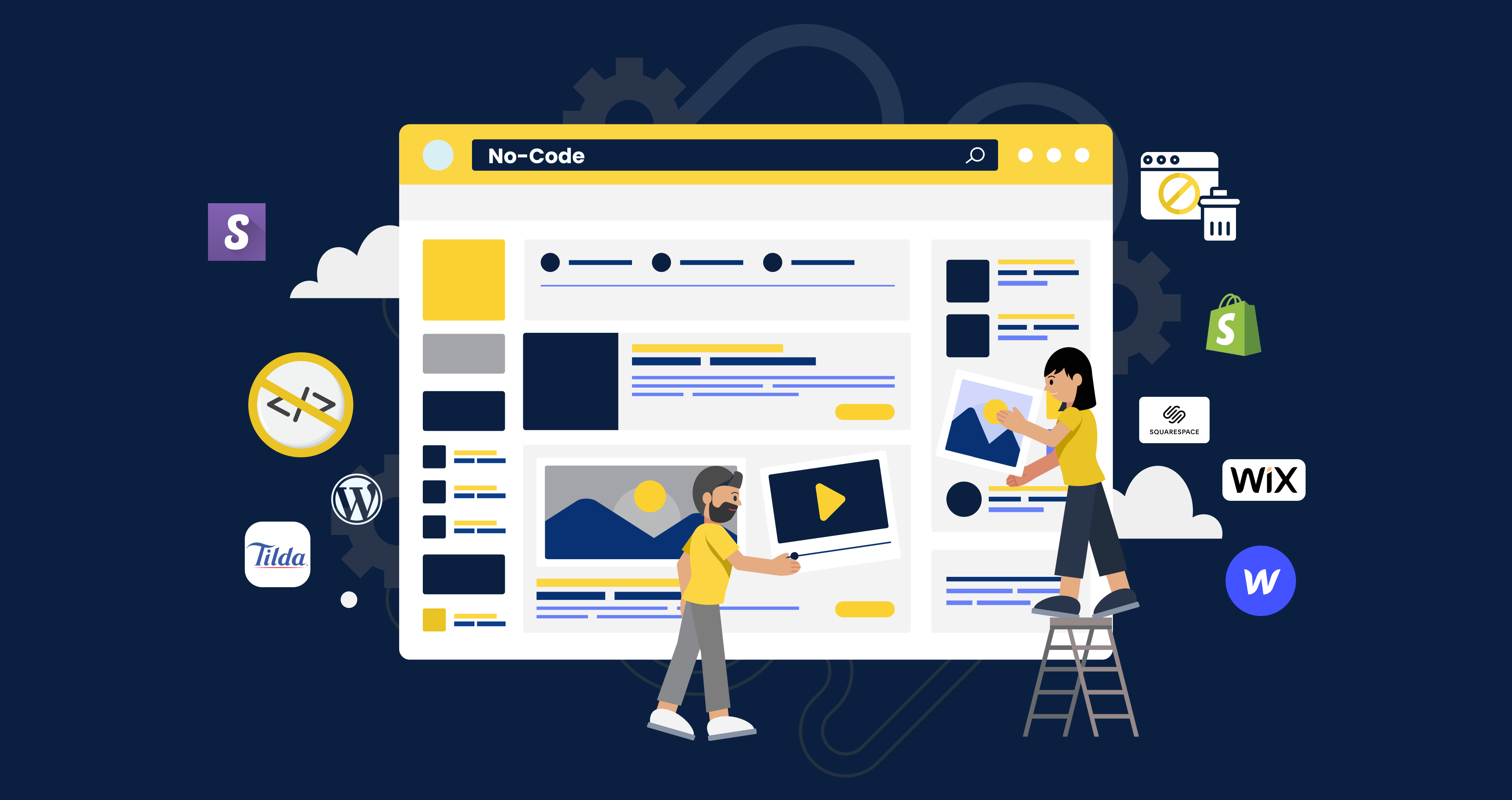
A seismic shift in web creation has taken root over the past decade. No-code and low-code platforms have surged in popularity, enabling users to visually design websites through drag-and-drop interfaces, pre-built templates, and intuitive customization tools. These platforms are a godsend for non-technical creators. They peel away the intimidating layers of HTML, CSS, JavaScript, and server configurations, replacing them with visual building blocks.
Platforms like Wix, Squarespace, Webflow, and WordPress (with its Gutenberg editor) have revolutionized web development for non-coders. They allow anyone—regardless of technical prowess—to create polished websites that are both aesthetically pleasing and functionally robust.
Why Non-Coders Should Embrace Web Development
There’s an intrinsic value in mastering the art of creating your own online presence. For non-coders, this means bypassing costly developer fees, avoiding miscommunications about vision and execution, and gaining immediate control over the digital narrative.
Moreover, understanding web development for non-coders enhances digital literacy—a vital skill in a tech-saturated world. It allows individuals to articulate their ideas clearly, test new concepts rapidly, and iterate based on real-time feedback. This agility fosters innovation and personal growth.
Understanding the Building Blocks of Websites (Without Coding)
Even without coding, grasping the basic anatomy of a website helps in making informed design choices. Websites consist of several core elements:
- Layout and Structure: How content is organized across pages.
- Visual Elements: Colors, fonts, images, and graphics.
- Navigation: Menus and links that guide visitors.
- Content: Text, videos, blogs, product descriptions.
- Functionality: Forms, e-commerce carts, booking systems.
Non-coders can manipulate these components visually through no-code tools, often by selecting from extensive libraries of design assets and functional widgets.
Choosing the Right Tools for Web Development for Non-Coders
The marketplace of no-code web development tools is vast. Here’s a curated overview to help non-coders identify what fits their needs:
1. Website Builders
These are the most straightforward solutions, offering pre-designed templates and drag-and-drop interfaces.
- Wix: Known for its design flexibility and wide array of templates. Ideal for portfolios, small businesses, and personal sites.
- Squarespace: Elegant, minimalistic designs favored by creatives. Integrated e-commerce capabilities.
- Weebly: User-friendly with built-in SEO tools; great for beginners.
2. Content Management Systems (CMS)
CMS platforms empower users to create and manage dynamic content efficiently.
- WordPress: Dominant in market share with an extensive plugin ecosystem. The Gutenberg editor enables block-based, code-free content assembly.
- Webflow: Blends visual design with granular control over responsive layouts, perfect for users aiming for more customization without diving into code.
3. E-Commerce Platforms
For those focused on online sales, platforms like Shopify and BigCommerce provide turnkey solutions, incorporating payment gateways, inventory management, and marketing integrations.
Breaking Down the Process: From Idea to Live Website
Mastering web development for non-coders requires a strategic approach. Here’s a step-by-step roadmap:
Step 1: Define Your Objective
Clarify the purpose of your website. Are you building a blog? An online store? A portfolio? Your goals influence every subsequent decision—from design to functionality.
Step 2: Sketch the User Journey
Map out how visitors will navigate your site. Identify primary pages and calls to action. User experience (UX) should be intuitive and seamless.
Step 3: Select a Platform
Based on your objective and desired level of customization, choose the right tool. Remember, the simpler the platform, the quicker the launch—but possibly at the expense of flexibility.
Step 4: Design and Customize
Utilize templates or start from scratch. Tweak colors, fonts, images, and layout elements. Consistency in design fosters credibility.
Step 5: Add Functionalities
Integrate features like contact forms, social media links, booking systems, or e-commerce carts. Many platforms offer plug-and-play widgets that require zero coding.
Step 6: Optimize for Search Engines
SEO is not just for experts. Use built-in SEO tools to add meta descriptions, alt texts, and friendly URLs to boost visibility.
Step 7: Preview and Test
Test your site on multiple devices and browsers. Fix any glitches in navigation or layout. Testing ensures a smooth user experience.
Step 8: Publish and Promote
Hit the “publish” button and share your site with the world. Leverage social media and email marketing to drive traffic.
Overcoming Common Challenges Without Coding
Despite the ease of no-code tools, challenges can emerge:
- Design Limitations: Pre-built templates can sometimes feel restrictive. Creativity within these boundaries requires experimentation.
- Platform Lock-in: Some builders don’t allow easy migration to other platforms, which can be a hurdle as needs evolve.
- Performance Optimization: Site speed and responsiveness can be impacted by the choice of platform and added features.
- Security Concerns: Although platforms handle most security aspects, users must remain vigilant with password management and updates.
Learning to navigate these obstacles is part of the web development for non-coders journey, cultivating resilience and problem-solving skills.
The Future of Web Development Without Coding
The no-code movement is just warming up. Emerging technologies like artificial intelligence (AI) and machine learning are beginning to automate more complex web creation tasks. Imagine AI-powered design assistants that adapt layouts dynamically based on user behavior or voice-activated site editors.
Furthermore, integration with APIs and third-party services is becoming increasingly seamless, allowing non-coders to build sophisticated apps and websites once relegated to programmers.
This trajectory points toward a future where digital creation is universally accessible—a true leveling of the playing field.
Practical Tips to Excel in Web Development for Non-Coders
- Start Small: Don’t overwhelm yourself with complexity. Begin with a simple site and build upon it.
- Leverage Community Resources: Forums, tutorials, and user groups can offer invaluable insights.
- Stay Updated: Platforms regularly update features; keep abreast of new tools and integrations.
- Focus on Content Quality: A beautiful site with mediocre content will falter. Prioritize clarity, engagement, and relevance.
- Test User Feedback: Real-world input helps refine your site and improve usability.
Case Studies: Success Stories Without Coding
Countless entrepreneurs, freelancers, and creatives have thrived by embracing web development for non-coders.
- A freelance photographer launched a portfolio site on Squarespace within a weekend, landing clients through seamless online booking.
- A budding author built an engaging WordPress blog, attracting a loyal readership without a single line of code.
- A local boutique set up an e-commerce store on Shopify, scaling operations swiftly while focusing on product curation and customer service.
These examples underscore that the power of the web is no longer confined to coders alone.
The digital landscape is bursting with opportunity, and web development for non-coders is the key to unlocking that potential. It transforms abstract ideas into tangible digital realities with agility and elegance. Whether you’re a small business owner, an artist, or simply an enthusiast, the tools and knowledge are within reach.
The democratization of web development invites everyone to participate in shaping the internet—not as passive consumers but as active creators. The future favors those who adapt, and embracing no-code development today is a step toward mastering tomorrow’s digital frontier.