Online Life Needs Cyber Security
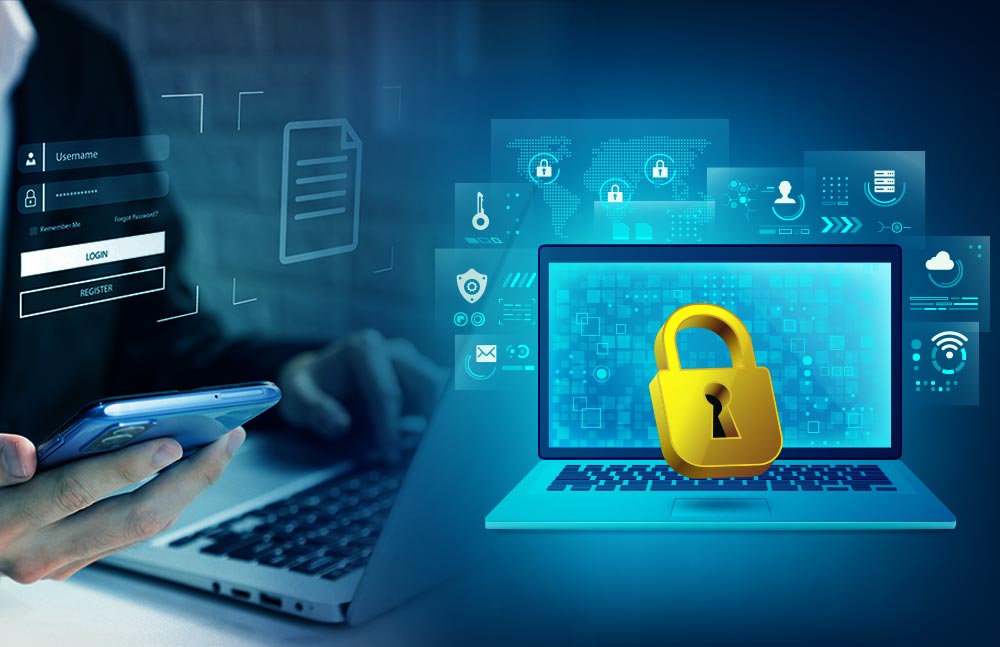
Online Life Needs Cyber Security in today’s hyperconnected world, living without a digital presence is nearly impossible. From social interactions to financial transactions, everything unfolds in the vast ecosystem of the internet. This transformation has brought immense convenience but also unprecedented risks. It’s no exaggeration to say that online life needs security now more than ever to safeguard the essence of who we are, what we own, and how we interact.

The internet is not just a tool—it’s an extension of our daily existence. However, just like in the physical world, where we lock doors and safeguard valuables, the digital realm demands its own fortress of protection. This article delves deep into why online life needs security, explores the multifaceted dimensions of cyber threats, and offers practical wisdom to thrive safely in this interconnected era.
The Digital Tapestry: Why Security Is Imperative
Your online presence is a composite of personal data, communication threads, financial footprints, and social engagements. It’s a vibrant tapestry woven with countless digital threads—each thread representing sensitive information vulnerable to exploitation.
In this realm, cybercriminals are constantly devising new tactics to infiltrate and manipulate. Identity theft, financial fraud, data breaches, and privacy invasions are no longer distant warnings but stark realities. Therefore, recognizing that online life needs security is not just a precaution but an imperative for personal and professional well-being.
The Anatomy of Cyber Threats
Understanding the enemy is the first step in fortifying your defenses. Cyber threats today are more sophisticated and insidious than ever before. They range from opportunistic malware to meticulously engineered social engineering scams.
- Phishing Attacks: These deceptive schemes trick users into divulging confidential information by masquerading as trustworthy entities. A single careless click can compromise entire networks.
- Ransomware: This malicious software encrypts your data, holding it hostage until a ransom is paid. Victims often face devastating financial and operational impacts.
- Data Breaches: Hackers exploit vulnerabilities in systems to steal massive amounts of sensitive data, which can then be sold on the dark web or used for identity theft.
- Man-in-the-Middle Attacks: In unsecured networks, attackers intercept communication between two parties to eavesdrop or alter the information being exchanged.
- Social Engineering: This manipulative tactic exploits human psychology rather than technical vulnerabilities, persuading individuals to reveal sensitive data or grant unauthorized access.
These threats demonstrate that online life needs security that’s not just reactive but proactive and resilient.
Digital Hygiene: The Bedrock of Security
The concept of digital hygiene parallels personal hygiene—it refers to the habits and practices that keep your digital life clean, safe, and healthy. Mastering this is foundational because even the most advanced technology can be undermined by simple human error.
Passwords and Beyond
Passwords are the gatekeepers of your accounts. Avoid common pitfalls such as recycling passwords or using easily guessable strings like “123456” or “password.” Instead, embrace passphrases that combine unrelated words and symbols. For example, “Tiger$Cupcake!82” is stronger and easier to remember.
Consider password managers to generate and store complex passwords securely. They reduce cognitive load and eliminate risky practices like writing passwords down or using the same password everywhere.
Multi-Factor Authentication (MFA)
Adding an additional verification step, such as a code sent to your phone or biometric confirmation, significantly bolsters security. It transforms a single weak lock into a multi-layered barrier. Given the frequency of data leaks, MFA has become a non-negotiable element because online life needs security beyond just passwords.
Software and System Updates
Outdated software is a treasure trove for hackers. Developers continually release patches to fix vulnerabilities. Delaying updates is akin to leaving your door ajar. Automatic updates are a simple yet powerful strategy that every user must adopt.
Privacy by Design: Controlling Your Digital Footprint
Privacy and security are two sides of the same coin. Controlling the information you share online mitigates exposure and limits exploitation.
- Adjust Privacy Settings: Regularly audit and tweak the privacy settings on social media platforms, browsers, and apps. Restrict visibility of your posts and personal details to trusted circles.
- Limit Data Sharing: Be judicious about the permissions you grant to apps and websites. Many request access to contacts, location, and microphones unnecessarily.
- Use VPNs for Encrypted Connections: Especially when using public Wi-Fi, Virtual Private Networks encrypt your internet traffic, making it indecipherable to eavesdroppers.
- Be Wary of Oversharing: Posting real-time updates about your whereabouts or vacation plans can expose you to physical and digital risks.
Because online life needs security, developing a privacy-first mindset is essential for maintaining control over your digital identity.
Guarding Your Financial Fortresses
With the surge in online banking and digital wallets, your financial assets are increasingly at risk. Cybersecurity measures specifically tailored to financial protection can prevent devastating consequences.
- Use Credit Over Debit: Credit cards often have better fraud protections. Monitor statements frequently for unauthorized transactions.
- Enable Transaction Alerts: Receive instant notifications for any account activity. Quick detection of fraud can minimize damage.
- Avoid Saving Card Details on Websites: While convenient, storing payment info increases vulnerability in case of data breaches.
- Secure Mobile Payment Apps: Use strong authentication methods and only download apps from official stores.
A vigilant approach to financial cybersecurity underscores why online life needs security in every aspect, especially where money is involved.
Corporate and Personal Overlap: The Home Office Security Challenge
With the rise of remote work, the lines between corporate and personal cybersecurity have blurred. Home networks often lack enterprise-grade protections, yet they now serve as gateways to sensitive company data.
To mitigate risks:
- Use separate devices or user profiles for work and personal activities.
- Implement strong home network security protocols, including encrypted Wi-Fi and firewalls.
- Regularly update routers’ firmware.
- Avoid using unsecured or public networks for work-related tasks.
This overlap highlights that online life needs security holistically, not just in isolated pockets.
Behavioral Tactics: Training the Human Firewall
People are often the weakest link in cybersecurity. Therefore, cultivating security awareness and behavioral vigilance is a critical defense layer.
- Regular Cybersecurity Training: Familiarize yourself and family or employees with the latest threat vectors and how to respond.
- Verify Before Trusting: Always double-check unexpected requests, especially those involving sensitive info or money transfers.
- Recognize Social Engineering: Be skeptical of unsolicited communications, especially urgent or emotionally charged messages.
- Safe Browsing Practices: Avoid clicking suspicious links, downloading files from unknown sources, or using pirated software.
Incorporating these behavioral principles is a cornerstone because online life needs security that extends beyond technology alone.
Emerging Technologies and the Future of Cybersecurity
The cyber threat landscape continues to evolve at lightning speed, driven by advances in technology. Artificial intelligence (AI), quantum computing, and blockchain are reshaping both attack methodologies and defensive strategies.
- AI-Powered Threat Detection: Machine learning algorithms analyze patterns and anomalies to detect breaches before they escalate.
- Quantum Cryptography: Promises near-unbreakable encryption, potentially revolutionizing data protection.
- Blockchain for Secure Transactions: Decentralized ledgers reduce vulnerabilities inherent in centralized data storage.
Keeping abreast of these advancements ensures that individuals and organizations remain equipped to address future challenges. After all, online life needs security that is adaptive and forward-looking.
The Psychological Impact: Cybersecurity and Peace of Mind
Security isn’t just a technical concern; it deeply influences mental well-being. Constantly worrying about identity theft, data breaches, or financial fraud can induce stress and anxiety.
Conversely, robust security measures provide peace of mind, allowing users to engage confidently in the digital world. This psychological comfort enhances productivity, creativity, and social interaction.
Ultimately, investing in cybersecurity is investing in your digital and emotional health, reinforcing why online life needs security on every front.
The internet has become a fundamental pillar of modern life, weaving into every aspect of how we work, connect, and live. However, this expansive connectivity comes with a price: vulnerability.
Recognizing that online life needs security is the first step toward reclaiming control in an increasingly complex digital ecosystem. From strong passwords and multi-factor authentication to privacy management and behavioral awareness, comprehensive cybersecurity practices are vital.
Embracing this mindset doesn’t just protect data—it preserves identity, finances, and peace of mind. In this digital age, security is no longer optional; it’s an indispensable safeguard for living fully and freely online.