Your Software Development Starter Kit
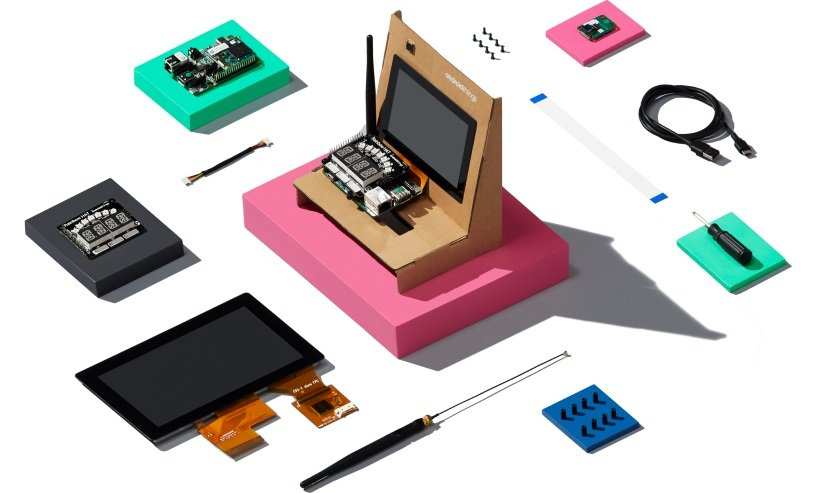
Your Software Development Starter Kit embarking on the journey of software development can feel both exhilarating and overwhelming. Whether you’re a complete novice or someone with a flicker of curiosity, the right foundation can transform this adventure from daunting to delightful. That’s where the software development starter kit comes into play — a carefully curated ensemble of tools, knowledge, and mindset essentials designed to propel beginners toward mastery with confidence and clarity.
This guide is your compass through the initial labyrinth of concepts, languages, and workflows. It unveils indispensable resources, best practices, and strategies that can amplify learning efficiency and cultivate an enduring passion for coding. So, let’s dive deep into what your ultimate software development starter kit should contain and how each element contributes to your growth as a budding developer.
Understanding the Landscape: Why a Starter Kit Matters
Before unpacking the components, it’s crucial to understand why a well-structured software development starter kit matters. The software development ecosystem is vast and often complex. With thousands of programming languages, frameworks, and tools, beginners can quickly become paralyzed by choice.
Consequently, a starter kit acts as a navigational aid, filtering out the noise and focusing on essentials that build solid foundations. Moreover, it instills discipline and nurtures habits critical for success. Thus, this kit isn’t just about software—it’s about crafting a mindset attuned to continuous learning, problem-solving, and innovation.
Core Components of Your Software Development Starter Kit
1. A Robust Code Editor or Integrated Development Environment (IDE)
At the heart of every developer’s toolkit lies the code editor or IDE. These platforms serve as your digital workshop where ideas morph into code. For beginners, simplicity is key, yet flexibility matters for growth.
Popular choices include Visual Studio Code, Sublime Text, and Atom. These editors support syntax highlighting, auto-completion, and debugging—features that reduce cognitive load and accelerate coding.
Furthermore, IDEs like IntelliJ IDEA or PyCharm offer more integrated features such as version control, testing suites, and performance profiling. Investing time in mastering one editor from your software development starter kit will pay dividends as you scale up.
2. Learning Programming Languages: Foundations to Build Upon
A profound understanding of programming languages is pivotal. For starters, learning languages that are versatile, well-documented, and widely used is beneficial. Python is an excellent choice due to its readability and extensive libraries, making it friendly for newcomers.
Alternatively, JavaScript opens doors to web development and interactive user interfaces, while Java and C# serve as strong pillars in enterprise and application development.
The key lies not only in syntax acquisition but in grasping fundamental concepts such as variables, control structures, data types, functions, and object-oriented programming. These cornerstones form the bedrock for more advanced topics.
3. Version Control Systems: Git and GitHub
Version control is often overlooked but remains indispensable. Tools like Git enable tracking changes, collaborating with others, and rolling back to previous states—a lifesaver in complex projects.
GitHub, GitLab, and Bitbucket host repositories that facilitate remote collaboration and portfolio building. Early familiarity with Git workflows, branching, and merging is crucial. Your software development starter kit must include mastering these systems to align with industry standards.
4. Command Line Proficiency
Though graphical interfaces are user-friendly, command line proficiency is an underrated superpower. Navigating directories, managing files, running scripts, and configuring environments via the terminal cultivates efficiency and control.
Begin with basics like navigating folders, creating files, and executing simple commands. As confidence grows, delve into shell scripting to automate tasks. This fluency forms a backbone for seamless interaction with development tools.
5. Debugging Tools and Practices
Debugging is the craft of discerning and fixing errors—a skill as vital as writing code itself. Integrated debugging tools in editors, logging techniques, and console outputs are invaluable.
Developing a methodical approach to debugging, such as isolating variables, using breakpoints, and reading stack traces, transforms bugs from sources of frustration into learning opportunities. Incorporate these tools and habits in your software development starter kit to foster resilience and analytical thinking.
6. Fundamental Algorithms and Data Structures
Understanding algorithms and data structures sharpens problem-solving capabilities. Grasping concepts like arrays, linked lists, stacks, queues, trees, and sorting algorithms is essential.
Though theoretical, these topics underpin efficient code and optimize performance. Interactive platforms like LeetCode and HackerRank offer beginner-friendly challenges that reinforce these concepts pragmatically.
7. Online Learning Platforms and Communities
The landscape of learning has evolved with digitalization. Platforms such as freeCodeCamp, Coursera, edX, and Udemy provide structured curricula, hands-on projects, and certification pathways.
In tandem, engaging with communities on Stack Overflow, Reddit’s r/learnprogramming, and GitHub discussions nurtures peer support, mentorship, and knowledge exchange. These social learning environments are vital for motivation and troubleshooting.
8. Project-Based Learning: Building Real-World Applications
Theory without practice can stagnate progress. Embarking on small projects—like personal websites, calculators, or to-do apps—cements knowledge and hones creativity.
Moreover, project-based learning cultivates soft skills like time management, documentation, and testing. These experiences populate portfolios, which are crucial when seeking internships or jobs.
9. Understanding Software Development Methodologies
Agile, Scrum, and Kanban are methodologies that govern workflow and team collaboration in professional environments. Even as beginners, familiarity with these concepts nurtures a professional mindset.
Learning to break down tasks, prioritize features, and iterate based on feedback aligns beginners with industry practices and improves project management skills.
10. Embracing a Growth Mindset and Soft Skills
Lastly, technical acumen alone does not define a successful developer. A growth mindset—the belief that abilities can be developed through dedication—is paramount.
Soft skills such as communication, adaptability, and teamwork complement technical skills and enhance career prospects. Building resilience to overcome setbacks and continuously learning from failures is the intangible yet indispensable part of your software development starter kit.
Additional Tools to Consider in Your Starter Kit
Package Managers
Package managers like npm for JavaScript, pip for Python, and Maven for Java simplify dependency management. They automate installation and updates, preventing “dependency hell” scenarios.
Containerization Tools
Tools like Docker allow developers to package applications and dependencies into containers for consistent environments across systems. Though advanced, early exposure benefits long-term development hygiene.
Cloud Platforms
Cloud services like AWS, Google Cloud, and Azure offer scalable infrastructure. Learning basics of deploying applications to the cloud prepares beginners for modern workflows.
Building Your Learning Roadmap with the Starter Kit
The software development starter kit is not a checklist but a roadmap. Start small, focusing on one language and editor. Gradually integrate new tools and concepts, layering complexity in manageable increments.
Set achievable goals, track progress, and seek feedback regularly. Pair learning with rest and reflection to avoid burnout and maintain enthusiasm.
Remember, mastery is a marathon, not a sprint.
A comprehensive software development starter kit equips you with more than just tools—it instills confidence, fosters curiosity, and builds resilience. By embracing foundational technologies, cultivating problem-solving skills, and engaging with communities, you lay the groundwork for a fulfilling and dynamic career.
Embark on your software development journey with intention and the right starter kit. With curiosity as your compass and persistence as your fuel, the world of code awaits your unique contribution.