Why Teens Love Software Development
Why Teens Love Software Development the digital age has revolutionized how young people perceive technology, creativity, and career opportunities. Among the vast array of tech-related pursuits, software development stands out as an irresistible beacon for many adolescents. It offers more than just coding; it opens doors to innovation, self-expression, and problem-solving on a grand scale. But why exactly do teens love software development? Understanding this phenomenon requires unpacking the multifaceted allure that coding holds for the younger generation.
From creative freedom to community engagement, and from futuristic career prospects to the thrill of building something from nothing, software development resonates deeply with teens today. This article explores the underlying reasons, the cultural shifts, and the personal motivations that propel teenagers toward the world of code.
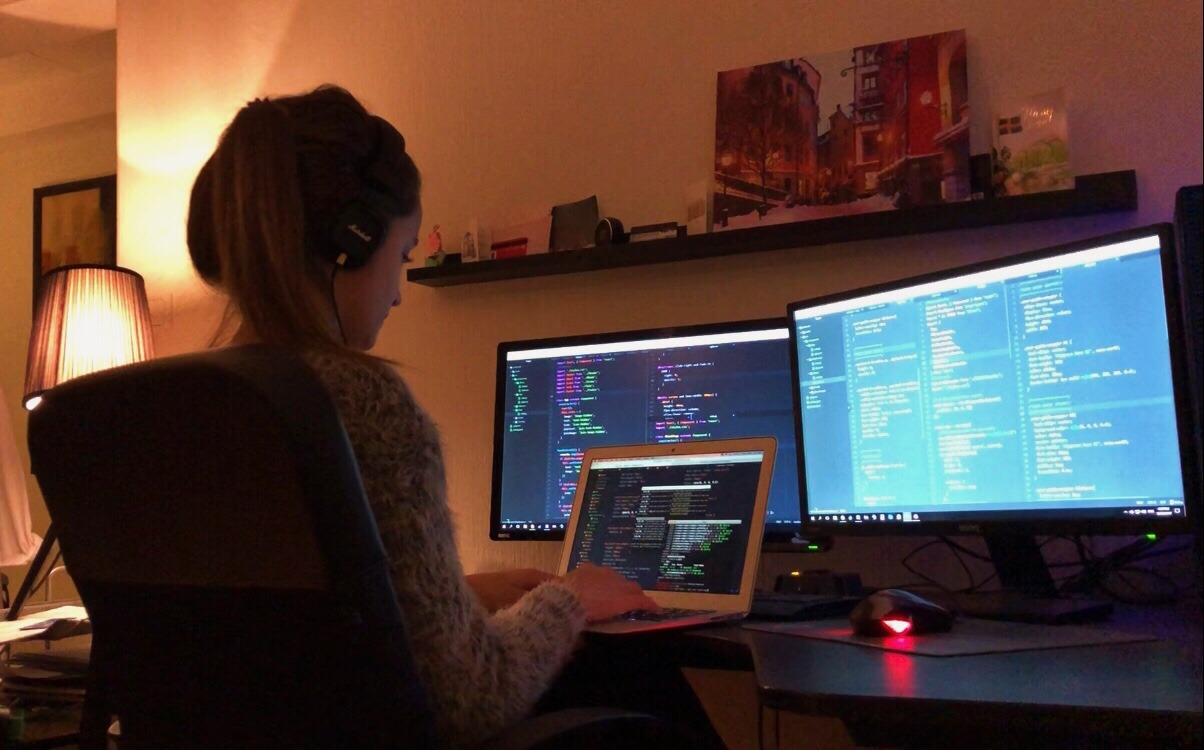
The Allure of Creation and Control
One of the most magnetic aspects of software development for teens is the power to create. Unlike passive consumption of digital content, coding empowers them to actively shape their virtual surroundings. The ability to transform abstract ideas into functional programs is profoundly satisfying.
For many teens, coding is their canvas. They relish the autonomy to design apps, games, websites, and tools that reflect their unique perspectives. This sense of agency—of being architects rather than mere users—fuels why teens love software development.
Moreover, software development offers immediate feedback. When a line of code works perfectly, the gratification is palpable. Conversely, debugging cultivates resilience and sharpens critical thinking, creating a dynamic learning environment that keeps engagement high.
Accessibility and Democratization of Learning
Gone are the days when programming was cloaked in exclusivity. Today, abundant free resources, online platforms, and community support systems have democratized access to coding knowledge. Platforms like Scratch, Codecademy, and Khan Academy provide approachable entry points tailored for young learners.
This accessibility diminishes barriers, making software development less intimidating and more inviting. Teens can explore at their own pace, experiment boldly, and find mentors or peers online. Such ecosystems nurture curiosity and reinforce why teens love software development — it’s a playground open to all, regardless of background.
In addition, coding clubs in schools and community centers create safe spaces for collaboration and shared enthusiasm. These environments foster a sense of belonging that motivates teens to dive deeper.
Creative Problem Solving and Intellectual Challenge
Teenagers thrive on challenges that stimulate their intellect and creativity simultaneously. Software development uniquely satisfies this craving by combining logic with artistry. It is not merely about writing code; it is about architecting solutions to complex problems.
The iterative process of ideation, coding, testing, and refining taps into a blend of analytical rigor and imaginative thinking. This dual engagement appeals to the adolescent desire for meaningful accomplishment. In fact, the satisfaction derived from overcoming programming obstacles is a significant reason why teens love software development.
Furthermore, coding nurtures transferable skills such as perseverance, pattern recognition, and algorithmic thinking. These cognitive assets equip teens for diverse future endeavors, amplifying the value of their efforts.
Connection to Popular Culture and Media
Another compelling factor is the omnipresence of technology in popular culture. Teens grow up immersed in gaming, social media, and streaming platforms—all powered by software. The notion of creating the next viral app or blockbuster game is thrilling and tangible.
This cultural context glamorizes the role of software developers as innovators and influencers. Tech entrepreneurs like Mark Zuckerberg, Elon Musk, and the creators behind popular apps inspire teens to envision themselves as changemakers. This aspirational appeal reinforces why teens love software development — it’s seen as a gateway to impact and prestige.
Additionally, exposure to tech-themed media, tutorials, and live coding streams normalizes programming as a cool and accessible pursuit. It transforms coding from a niche technical skill to a mainstream, desirable activity.
The Promise of Future Career Opportunities
Adolescents are acutely aware of the evolving job market, where technology skills command premium value. Software development promises not only financial rewards but also job security in a rapidly digitizing world. The versatility of coding skills opens doors across industries, from healthcare to entertainment, finance to space exploration.
This pragmatic aspect aligns with teens’ emerging focus on future stability and success. Knowing that mastery of software development can lead to high-paying and flexible careers adds tangible motivation. Hence, a major reason why teens love software development is its promise as a lucrative and versatile professional pathway.
Moreover, the gig economy and remote work trends empower young developers to monetize their skills early, creating a compelling narrative of independence and entrepreneurship.
Community and Collaboration
The coding world is rich with communities that encourage collaboration, knowledge sharing, and mutual support. Online forums, hackathons, open-source projects, and coding competitions foster a vibrant culture where teens can learn from and contribute to peers globally.
Such social dynamics enhance engagement by providing recognition and camaraderie. Participating in collaborative projects also introduces teens to real-world software development practices, preparing them for professional environments.
The friendships and networks built through coding activities are powerful incentives that explain why teens love software development — it connects them to a global tribe united by passion and purpose.
Personal Empowerment and Expression
Software development is a form of self-expression. It gives teens a voice to create tools and experiences that resonate with their identities and communities. Whether building apps that address social causes, designing games that reflect cultural stories, or crafting websites for local initiatives, coding enables authentic representation.
This empowerment goes beyond mere technology; it fosters confidence and agency. For many teens, creating software is an act of asserting control over their environment and narratives.
In this light, the emotional and psychological rewards help illuminate why teens love software development — it is a medium for personal growth and impact.
The Role of Education and Mentorship
Schools and educators increasingly recognize the importance of coding in curricula, which facilitates early exposure. However, effective mentorship is critical in transforming initial interest into sustained passion.
Mentors provide guidance, encouragement, and real-world perspectives, helping teens navigate challenges and refine their skills. Community programs and industry partnerships enhance these opportunities, offering pathways into internships, scholarships, and careers.
Supportive educational environments that emphasize creativity, problem-solving, and hands-on learning cultivate the mindset that sustains why teens love software development over time.
Overcoming Challenges and Misconceptions
Despite the enthusiasm, teens often face hurdles such as stereotype biases, imposter syndrome, and limited resources. The misconception that coding is only for “tech geniuses” can discourage potential talent.
However, the growing visibility of diverse role models and inclusive initiatives is shifting the landscape. The emphasis on collaboration, incremental learning, and creative exploration counters these barriers.
Recognizing that mastery comes through persistence rather than innate talent reinforces a growth mindset. This resilience is a crucial factor explaining why teens love software development — it rewards effort and curiosity over perfection.
The Joy of Making Tangible Impact
Unlike many abstract academic subjects, software development allows teens to see the tangible outcomes of their work. Whether it’s a functioning app, an interactive website, or an automated script, the fruits of their labor are immediately visible.
This concrete feedback loop fuels motivation and pride. Furthermore, when software solves real problems or delights users, the emotional satisfaction deepens.
The ability to contribute meaningfully to their communities and beyond is a powerful draw that elucidates why teens love software development — it’s an avenue for making a real difference.
The Future Landscape: What Lies Ahead for Teen Developers
As technology accelerates, the horizons for young software developers expand exponentially. Emerging fields such as artificial intelligence, blockchain, virtual reality, and quantum computing present exciting frontiers.
Moreover, increasing integration of software with societal challenges—climate change, healthcare disparities, education access—provides teens with purpose-driven opportunities to innovate.
The fusion of technology with social good enhances the meaningfulness of software development as a pursuit, ensuring that the passion driving why teens love software development will continue to evolve and flourish.
The multifarious reasons behind why teens love software development converge on themes of creativity, empowerment, community, and future prospects. It is a dynamic realm that offers both intellectual stimulation and emotional fulfillment. By fostering environments that nurture curiosity, inclusivity, and resilience, society can support this burgeoning passion and equip the next generation of innovators.
Ultimately, the love that teens harbor for software development reflects a broader shift toward active participation in shaping the digital future—a future brimming with possibilities crafted by their imaginations and skills.