How Cyber Security Keeps Your Data Safe
In an era where data is often called the new oil, protecting it has never been more critical. From personal conversations to financial transactions, every byte of information you share online is valuable. Without robust cyber security data protection, this sensitive information can quickly fall into the wrong hands. Here’s a deep dive into how cybersecurity works to protect data with cybersecurity measures and why it’s essential in today’s digital world.
Understanding the Value of Your Data
Your data is more than just a collection of numbers and letters. It’s your identity, your financial stability, and your personal history. Cybercriminals target this information for various reasons – from identity theft and financial fraud to corporate espionage and blackmail. The first step to secure your information online is understanding its true value.
Encryption – The Digital Vault
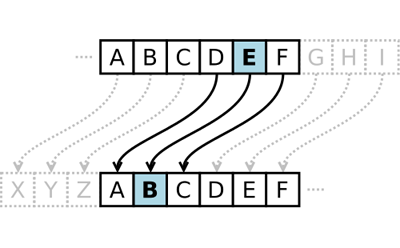
Encryption is one of the most effective ways to protect data with cybersecurity. It transforms your readable data into an unreadable format, accessible only to those with the correct decryption key. This ensures that even if a hacker intercepts your data, it’s useless without the key. Modern encryption protocols, like AES-256 and RSA, provide a virtually unbreakable level of security, safeguarding everything from your emails to financial transactions.
Firewalls – Your First Line of Defense
Think of a firewall as a digital moat around your data. It monitors incoming and outgoing traffic, filtering out malicious attempts while allowing legitimate connections. Firewalls can be software-based, built into your operating system, or hardware-based, integrated into your router. In either form, they act as critical barriers against unauthorized access, forming a core part of cyber security data protection.
Multi-Factor Authentication (MFA) – Adding Extra Layers
MFA is a security must-have in 2025. It requires users to verify their identity through multiple forms of authentication, like a password and a one-time code sent to a trusted device. This additional layer significantly reduces the risk of unauthorized access, even if your password is compromised. It’s a simple yet powerful way to secure your information online.
Data Backups – The Safety Net
No security system is infallible. Data backups provide a crucial safety net, ensuring that even if your data is compromised, you can restore it without significant loss. Regular, automated backups to secure, off-site locations – whether in the cloud or on physical drives – are essential components of data safety through cybersecurity.
Zero Trust Architecture – Never Assume, Always Verify
Traditional security models often relied on perimeter-based defenses, assuming that once a user or device was inside the network, it could be trusted. Zero Trust flips this approach on its head. It assumes that every attempt to access data is potentially malicious, requiring continuous verification and strict access controls. This model is gaining traction as organizations strive to protect data with cybersecurity at every level.
AI and Machine Learning – Smarter Defense Systems
Artificial intelligence is transforming cybersecurity by detecting anomalies and potential threats faster than any human analyst. These systems continuously learn from new threats, adapting to the ever-changing tactics of cybercriminals. Machine learning algorithms can identify patterns in massive volumes of data, allowing for real-time threat detection and response. This is a cutting-edge approach to cyber security data protection that helps businesses stay ahead of advanced attacks.
The Human Element – Training and Awareness
Technology alone isn’t enough. Human error remains one of the leading causes of data breaches. Phishing, social engineering, and weak passwords are still major threats. Regular training and awareness programs are essential for reducing these risks, empowering individuals to secure your information online effectively.
Conclusion – A Proactive Approach to Data Safety
In a world where digital threats are constantly evolving, a proactive approach to cybersecurity is crucial. Implementing robust encryption, multi-factor authentication, and regular backups, along with cutting-edge technologies like AI, can provide comprehensive data safety through cybersecurity. Remember, it’s not just about protecting data but also about maintaining the trust and integrity of your digital footprint.
With the right strategies in place, you can navigate the digital landscape confidently, knowing your data is secure.
Would you like me to tweak this article for a particular audience or industry, like small businesses or healthcare professionals? Just let me know.