Web Development Skills You Can’t Skip
Web Development Skills You Can’t Skip in the fast-evolving digital arena, mastering the art of web development is more crucial than ever. Whether you’re just stepping into this dynamic field or aiming to sharpen your craft, there are certain must have web skills that serve as the backbone for any successful developer. These skills not only boost your ability to build robust, scalable, and engaging websites but also ensure you stay competitive in an industry driven by constant innovation.
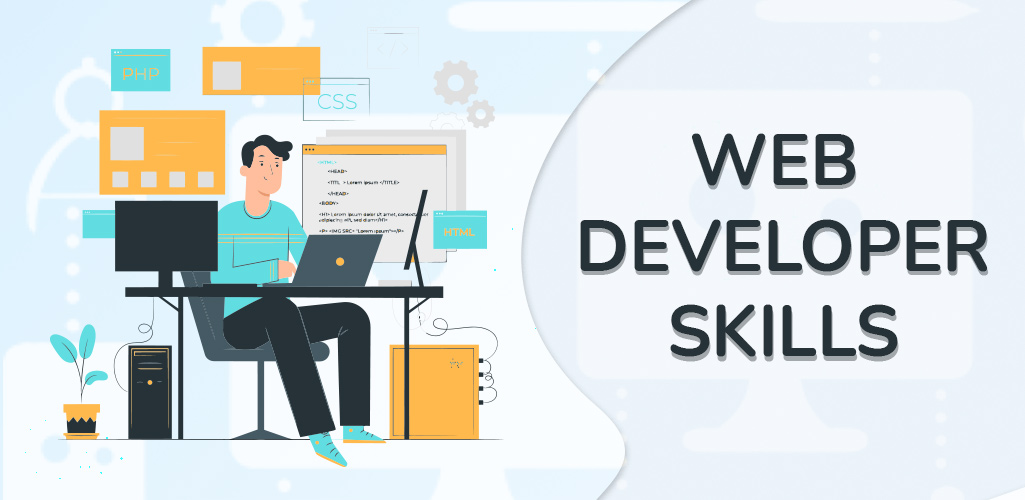
Web development is a vast landscape, blending creativity with technical prowess. From frontend aesthetics to backend architecture, the skills required span across multiple domains. This comprehensive guide unpacks the essential must have web skills that every developer should cultivate, explaining their significance, practical applications, and how they interconnect to produce cutting-edge web solutions.
The Bedrock: Core Programming Languages
Every web developer’s journey begins with mastering foundational programming languages. Without these, the rest of the web development puzzle remains incomplete.
HTML5: Structuring the Web
HyperText Markup Language, or HTML, is the skeleton of every web page. Mastering HTML5 means understanding semantic elements, multimedia integration, and accessibility features. Proper structuring is pivotal for SEO, screen readers, and overall user experience.
Knowing how to craft clean, semantic HTML allows developers to create websites that are not only visually coherent but also highly functional and interoperable with various devices and browsers.
CSS3: Styling with Flair
CSS breathes life into the raw HTML structure. Beyond colors and fonts, modern CSS3 includes advanced capabilities like Flexbox, Grid layouts, and animations. Mastering these empowers developers to create responsive designs that adapt flawlessly to different screen sizes.
Moreover, familiarity with preprocessors such as SASS or LESS boosts productivity by introducing variables, nesting, and modular stylesheets, making complex projects manageable.
JavaScript: The Language of Interaction
JavaScript is the powerhouse of interactivity. From simple button clicks to complex single-page applications (SPAs), JavaScript underpins dynamic behavior on the web. Understanding core concepts like closures, asynchronous programming (Promises, async/await), and the event loop is non-negotiable.
Frameworks and libraries like React, Vue, or Angular elevate JavaScript’s capabilities, enabling developers to build maintainable and scalable interfaces. Grasping these tools forms a critical part of the must have web skills arsenal.
Backend Proficiency: Powering the Web’s Engine
Frontend wizardry dazzles users, but backend skills fuel the website’s engine. Managing data, authentication, business logic, and server configuration are the backstage essentials.
Server-Side Languages and Frameworks
Knowledge of languages like Python (with Django or Flask), Node.js, Ruby (on Rails), or PHP remains indispensable. Each has its strengths and ecosystems, but all serve to process requests, interact with databases, and generate dynamic content.
Selecting a backend framework that aligns with project needs and learning its intricacies enhances efficiency and code maintainability.
Database Management
Databases are the digital vaults of user information and content. Mastering both relational databases (MySQL, PostgreSQL) and NoSQL options (MongoDB, Redis) enables developers to choose optimal data storage strategies.
Understanding indexing, query optimization, and schema design contributes significantly to application performance and scalability—critical concerns for modern web apps.
RESTful APIs and GraphQL
Modern web applications rarely operate in isolation. APIs act as bridges, facilitating communication between frontend and backend or between different services. Mastering RESTful principles, alongside newer paradigms like GraphQL, is crucial for designing flexible, efficient data exchanges.
This skill is vital for integrating third-party services and building modular, maintainable systems.
Version Control: Collaboration and Code Integrity
In any serious development environment, version control is the linchpin of teamwork and code management.
Git Mastery
Git is the de facto version control system. Beyond simple commits and branches, advanced skills include resolving merge conflicts, rebasing, and maintaining clean commit histories.
Platforms like GitHub, GitLab, or Bitbucket further enhance collaboration, continuous integration, and deployment workflows. Proficiency in these tools is undoubtedly among the must have web skills to excel in professional settings.
Responsive Design: Crafting Universally Accessible Experiences
The diversity of devices accessing the web—from tiny smartwatches to sprawling desktop monitors—makes responsive design essential.
Media Queries and Fluid Layouts
Employing media queries and flexible grids ensures websites adapt elegantly across screen sizes. This enhances usability and reduces bounce rates.
Mobile-First Approach
Designing for mobile devices first and scaling up ensures priority on critical content and performance optimization, reflecting modern usage patterns.
Performance Optimization: Speed as a Superpower
User patience is notoriously thin online. Websites that lag lose visitors and rankings.
Asset Optimization
Skills in image compression, code minification, and lazy loading are indispensable. These reduce bandwidth usage and accelerate page load times.
Caching Strategies
Implementing effective caching—whether browser, CDN, or server-side—dramatically enhances perceived speed and reduces server load.
Code Splitting and Bundling
Modern tools like Webpack or Rollup facilitate splitting code into manageable chunks that load on demand, further boosting performance.
Security Fundamentals: Protecting Users and Data
Security breaches can cripple reputations and trust. Hence, embedding security practices into development is non-negotiable.
HTTPS and SSL Certificates
Ensuring encrypted communication protects data integrity and privacy.
Authentication and Authorization
Implementing robust user authentication, multi-factor verification, and role-based access controls safeguards sensitive operations.
Common Vulnerabilities and Protections
Familiarity with OWASP top 10 vulnerabilities—such as SQL injection, XSS, and CSRF—and mitigation techniques is essential for responsible development.
DevOps and Deployment: Bridging Development and Operations
Mastering how to deploy, monitor, and maintain web applications ensures they remain functional and up-to-date.
Continuous Integration/Continuous Deployment (CI/CD)
Automating testing and deployment accelerates release cycles while minimizing human error.
Containerization and Orchestration
Tools like Docker and Kubernetes streamline environment consistency, scalability, and resource management.
Cloud Platforms
Experience with AWS, Azure, or Google Cloud offers scalable infrastructure solutions crucial for modern web applications.
Soft Skills: The Often Overlooked Essentials
While technical proficiency is crucial, soft skills complement and amplify your effectiveness as a developer.
Problem-Solving and Debugging
The ability to dissect issues systematically and deploy effective fixes is the hallmark of a seasoned developer.
Communication and Collaboration
Clear communication, both written and verbal, facilitates teamwork, client interactions, and knowledge sharing.
Adaptability and Learning Agility
The web development landscape shifts rapidly. Embracing new tools and paradigms swiftly is indispensable.
Emerging Skills to Watch
The horizon of web development is ever-expanding, with emerging competencies gaining traction.
WebAssembly (Wasm)
This technology promises near-native performance in browsers, enabling complex applications previously reserved for desktop environments.
AI and Automation Integration
Embedding AI-driven tools for code completion, testing, or user personalization is transforming workflows.
Accessibility Beyond Compliance
Designing truly inclusive experiences demands empathy and deeper understanding of diverse user needs.
In an arena as multifaceted as web development, mastering the must have web skills outlined above equips developers to build innovative, efficient, and user-centric digital experiences. From foundational languages to advanced backend architectures, and from collaborative tools to soft skills, each element interlocks to form a resilient, future-proof professional toolkit.
Continuous learning and adaptability remain the lifeblood of success. As technology evolves, so too must the skills and mindset of the developer, ensuring that every project is not just a product but a masterpiece of modern engineering and creativity.