The Creative Side of Web Development
The Creative Side of Web Development web development often conjures images of lines of code, debugging, and frameworks. Yet, behind this technical façade lies an exhilarating realm where art and logic entwine—the creative web development side. This dimension transforms cold syntax into vibrant, immersive experiences. It’s where innovation dances with aesthetics, and where developers are not just engineers but digital artisans crafting compelling stories and intuitive interfaces.
Exploring this creative dimension is essential for anyone seeking to elevate their web projects beyond the mundane. Creativity in web development is not merely about flashy visuals but about weaving user-centric designs, seamless interactivity, and meaningful engagement into a cohesive digital tapestry. This article delves into the many facets of the creative web development side, highlighting its significance, techniques, and transformative power.
The Intersection of Creativity and Code
Traditionally, creativity is associated with art and design, while coding is viewed as rigid and formulaic. However, the creative web development side shatters this dichotomy. Coding itself can be a form of creative expression, where developers choose elegant algorithms, craft reusable components, and devise innovative solutions to complex problems.
At its core, web development is about storytelling. The way content is structured, styled, and animated shapes how users perceive and interact with a brand or message. In this light, every decision—from typography to color palette, from navigation flow to micro-interactions—is a stroke on a digital canvas.
Designing for Impact: Visual Creativity in Web Development
Visual design forms the most visible part of the creative spectrum. It directly influences users’ emotions and behaviors, making it a powerful tool.
Color Theory and Branding
Color is not just decoration; it conveys mood, evokes emotions, and enhances usability. Thoughtful application of color theory can guide user focus and foster brand identity.
For example, warm colors like reds and oranges can stimulate urgency or excitement, while cool colors such as blues and greens suggest calmness and trust. Combining contrasting colors improves readability and accessibility, ensuring the site is welcoming to all users.
Typography as Art and Function
Typography in web development is both a functional necessity and a creative outlet. Selecting complementary typefaces and balancing font weights impact readability and tone. The use of variable fonts offers flexibility, allowing dynamic adjustment of weight, width, and slant, adapting typography to different screen sizes and user preferences.
Moreover, innovative typography—such as kinetic or experimental fonts—can add personality without sacrificing usability.
Layouts and Grids: Organizing Creativity
Layouts serve as the skeleton supporting creative elements. While grids provide structure, breaking conventional grid rules can generate surprise and delight.
Asymmetrical layouts, overlapping elements, and intentional whitespace manipulation invite users to explore and engage. Techniques like the golden ratio and modular scales lend harmony and balance, even in seemingly chaotic designs.
The Art of User Experience (UX)
The creative web development side thrives in crafting user experiences that are intuitive, enjoyable, and memorable.
User-Centered Design Principles
Creativity in UX begins with empathy. Understanding users’ needs, behaviors, and pain points informs design decisions. Personas and user journey maps translate raw data into vivid narratives, guiding the creation of interfaces that feel personalized and frictionless.
Micro-Interactions and Feedback
Small, thoughtful animations and feedback signals amplify user engagement. For instance, subtle hover effects, loading spinners with personality, or delightful error messages turn mundane moments into opportunities for connection.
These interactions require a delicate balance—too flashy, and they distract; too subtle, and they’re overlooked. Mastering this nuance is a hallmark of the creative web development side.
Accessibility: Creativity Beyond Aesthetics
True creativity in web development encompasses inclusivity. Designing for accessibility challenges developers to innovate ways to make experiences usable for everyone, including those with disabilities.
Creative solutions might involve dynamic ARIA roles, adaptable layouts for screen readers, or voice-controlled navigation, all of which enhance usability while expanding the audience.
Frontend Technologies as Creative Mediums
Modern frontend technologies offer expansive palettes for creativity.
CSS and Animation
CSS has evolved from basic styling to a powerful animation engine. With keyframes, transitions, and transforms, developers can craft engaging visual narratives.
For example, scroll-triggered animations reveal content dynamically, while parallax effects create depth and immersion. However, restraint is crucial to maintain performance and user comfort.
JavaScript and Interactive Storytelling
JavaScript breathes life into static pages, enabling interactive storytelling. Creative web development leverages this by integrating real-time data visualizations, gamified elements, and personalized experiences.
Frameworks like React and Vue facilitate modular and reusable UI components, allowing creativity to scale with project complexity.
WebGL and 3D Graphics
For those seeking to push boundaries, WebGL opens gateways to 3D graphics within browsers. This technology enables immersive environments, product visualizations, and artistic installations.
While resource-intensive, these innovations redefine what’s possible on the web and highlight the limitless scope of the creative web development side.
Backend Creativity: Logic Meets Innovation
Although creativity is often linked to the frontend, backend development holds its own creative challenges.
API Design as Craft
APIs are the connective tissue between services and applications. Designing elegant, intuitive, and efficient APIs requires foresight and innovation, enabling frontend creativity to flourish.
Well-architected APIs allow dynamic content delivery, third-party integrations, and scalable architectures, facilitating richer user experiences.
Automation and Custom Tools
Creative backend developers build automation scripts, deployment pipelines, and custom tools that streamline workflows and enhance productivity. These innovations free up time and mental bandwidth for more creative pursuits.
Collaboration: The Creative Ecosystem
Web development is rarely a solo endeavor. The creative web development side blossoms through collaboration among designers, developers, content creators, and stakeholders.
Bridging Design and Development
Effective collaboration fosters mutual understanding. Developers who appreciate design constraints and designers who grasp technical limitations create synergistic workflows.
Tools like Figma and Adobe XD facilitate this dialogue, allowing real-time feedback and prototyping. Version control systems ensure that design and code remain aligned throughout iterations.
Agile Methodologies: Iteration and Creativity
Agile frameworks encourage iterative development, enabling teams to experiment, receive feedback, and adapt rapidly. This iterative nature nurtures creativity, allowing for incremental innovations rather than rigid, upfront specifications.
The Role of Inspiration and Continuous Learning
The creative web development side thrives on curiosity and inspiration.
Exploring art, architecture, nature, and emerging technologies fuels fresh ideas. Attending conferences, participating in hackathons, and engaging with vibrant developer communities keeps creative muscles flexed.
Moreover, experimenting with new languages, frameworks, and design paradigms broadens perspectives, fostering unique solutions that stand out in a crowded digital landscape.
Challenges and Solutions in Creative Web Development
Creativity is not without hurdles. Balancing innovation with usability, managing project constraints, and ensuring performance require strategic thinking.
Performance vs. Creativity
Elaborate animations or heavy graphics can degrade site performance. Employing optimization techniques—such as lazy loading, code splitting, and asset compression—maintains fluid experiences without sacrificing creative ambitions.
Scope Management
Creative ideas can expand project scope dangerously. Prioritizing features based on user impact and technical feasibility keeps development focused and efficient.
Accessibility and Compliance
Ensuring creativity complies with accessibility standards may require revisiting design choices and implementing fallback options, but ultimately results in better experiences for all users.
The Future Landscape of the Creative Web Development Side
The horizon gleams with exciting possibilities:
- AI-Assisted Design: Tools that generate code or design elements based on user input will augment creative workflows.
- Voice and Gesture Interfaces: New interaction paradigms will require inventive approaches to design and development.
- Virtual and Augmented Reality: Immersive experiences will push creative boundaries further.
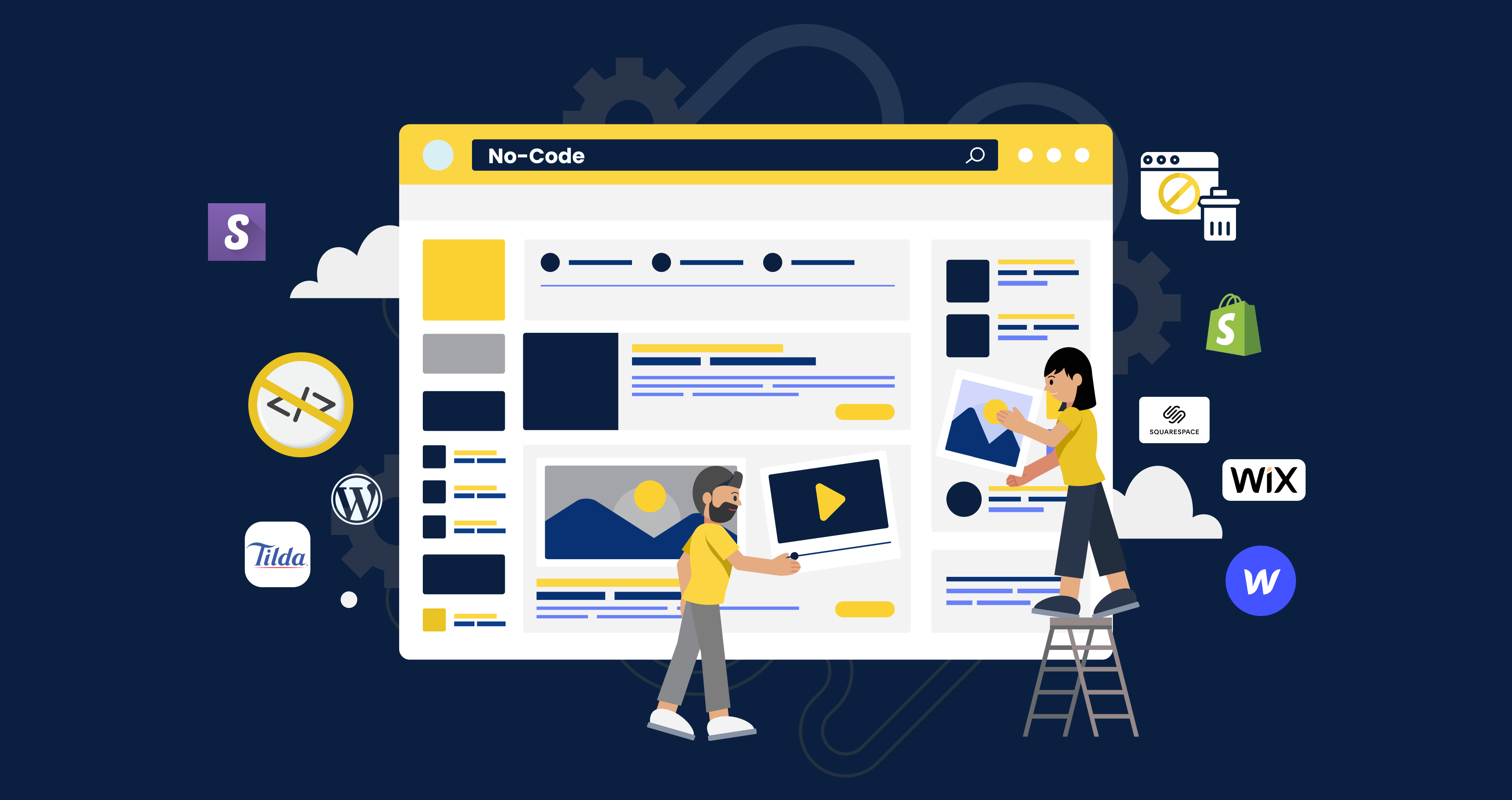
- Low-Code/No-Code Platforms: Democratizing web creativity, allowing even non-developers to prototype and deploy.
These trends promise to expand the toolkit for the creative web development side, making it more accessible and impactful.
The creative web development side is a vibrant, indispensable facet of modern web projects. It demands a harmonious blend of technical mastery, aesthetic sensibility, and user empathy. From the elegance of typography to the subtlety of micro-interactions, from the artistry of frontend animation to the ingenuity of backend automation, creativity permeates every layer.
By embracing this creative ethos, developers craft experiences that are not only functional but also meaningful and memorable. In the ever-evolving digital world, the capacity to innovate and inspire through web development distinguishes exceptional projects from the ordinary. This creative spirit is, without a doubt, the lifeblood of the web’s ongoing evolution.