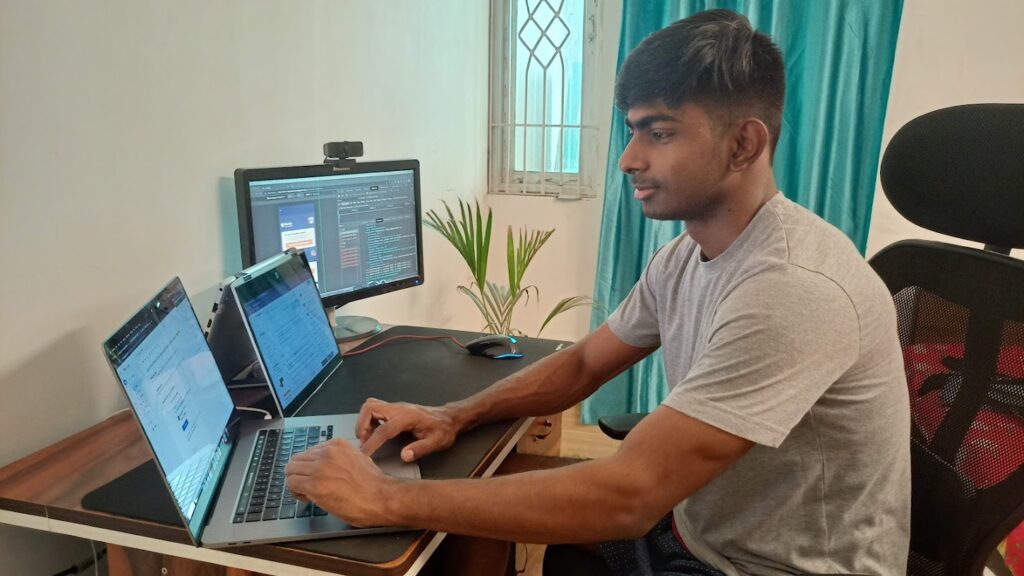
Start Your Software Development Journey
Start Your Software Development Journey embarking on the path of software development is both exhilarating and challenging. For many, it represents an opportunity to shape the digital world, solve complex problems, and build innovative solutions that impact millions. However, knowing how to start software development journey effectively can feel overwhelming. The good news is that with the right mindset, resources, and strategies, anyone can transform curiosity into competence and passion into mastery.
This comprehensive guide will illuminate the essential steps, insights, and tools needed to launch a thriving career or hobby in software development. By exploring foundational concepts, practical skills, and mental frameworks, you’ll be poised to build not only software but also a resilient and rewarding professional journey.

Understanding the Landscape: What Is Software Development?
Before diving headfirst, it’s important to understand what software development truly entails. At its core, software development is the process of designing, coding, testing, and maintaining computer programs. These programs can range from simple scripts automating daily tasks to complex applications powering global platforms.
Furthermore, the ecosystem of software development is vast, encompassing diverse roles such as front-end developers who craft user interfaces, back-end engineers who manage servers and databases, and full-stack developers who straddle both domains. Recognizing this variety will help you identify the areas you want to specialize in as you start software development journey.
Cultivating the Right Mindset: Patience and Persistence
Software development is a marathon, not a sprint. It demands curiosity, problem-solving skills, and, above all, patience. Bugs, errors, and roadblocks are inevitable. Instead of discouraging, these challenges should be embraced as integral learning opportunities.
Developing a growth mindset—believing that abilities can be honed through effort—is critical. This attitude propels you through setbacks and keeps motivation high during the early, often confusing stages of your start software development journey.
Choosing Your First Programming Language
Selecting the right programming language to begin with can significantly influence your learning curve. Popular beginner-friendly languages include Python, JavaScript, and Ruby, thanks to their readable syntax and vast learning communities.
Python, for example, is widely praised for its versatility and is frequently used in web development, data science, and automation. JavaScript is the backbone of interactive web pages, making it essential for front-end development. Choosing a language aligned with your interests provides a practical context for learning and increases engagement.
Leveraging Quality Learning Resources
The digital age has democratized education like never before. Countless free and paid resources exist to help you start software development journey smoothly. Platforms such as Codecademy, freeCodeCamp, and Coursera offer structured courses tailored to beginners.
Moreover, reading official documentation, joining forums like Stack Overflow, and watching tutorial videos provide diversified learning modalities. Combining these resources ensures a well-rounded grasp of concepts and accelerates skill acquisition.
Setting Up Your Development Environment
Having a proper workspace is essential. Setting up your computer with the necessary software tools—code editors like Visual Studio Code or Sublime Text, version control systems such as Git, and language-specific compilers or interpreters—forms the foundation of productive coding sessions.
Mastering these tools early on fosters efficiency and introduces best practices like code versioning, which are indispensable in collaborative and professional settings.
Building Small Projects: The Gateway to Mastery
Theory alone won’t suffice. The magic of software development unfolds when you create actual projects. Start with simple applications such as calculators, to-do lists, or basic games. These projects cement understanding and demonstrate practical problem-solving.
Progressively, move toward more complex endeavors like personal blogs, portfolio websites, or APIs. Each project acts as a milestone, reinforcing skills and building confidence throughout your start software development journey.
Embracing Version Control: Git and GitHub
Version control is a fundamental skill. Git allows you to track changes in your codebase, collaborate with others, and revert to previous versions when necessary. Platforms like GitHub serve as social hubs where developers showcase projects, contribute to open-source, and engage in code reviews.
Integrating Git into your workflow early not only prevents data loss but also acclimates you to industry standards, an essential step in your journey.
Joining Developer Communities for Support and Growth
Isolation can stall progress. Being part of developer communities—whether online groups, local meetups, or hackathons—offers invaluable support, feedback, and inspiration. Engaging with peers helps troubleshoot problems, exchange knowledge, and stay updated on industry trends.
Moreover, communities foster networking opportunities that can lead to internships, job offers, or collaborative projects, enriching your start software development journey with social capital.
Understanding Software Development Methodologies
Familiarity with methodologies like Agile, Scrum, and Kanban equips you to work efficiently in team environments. These frameworks emphasize iterative progress, flexibility, and communication—key ingredients for managing complex projects.
Early exposure to these practices enhances your ability to adapt and collaborate, preparing you for professional software development roles.
Developing Problem-Solving and Logical Thinking Skills
At its heart, software development is about solving problems using logical sequences. Enhancing analytical skills through puzzles, algorithm challenges, and coding exercises sharpens your ability to write efficient and effective code.
Websites such as LeetCode, HackerRank, and Codewars provide platforms for practicing coding problems, which is indispensable for technical interviews and real-world development tasks.
Writing Clean, Maintainable Code
As you advance, prioritizing code readability and maintainability is crucial. Writing clean code—organized, well-commented, and following consistent naming conventions—facilitates collaboration and eases future modifications.
Books like Clean Code by Robert C. Martin offer deep insights into best practices that professional developers adopt. Embracing these standards early on lays a strong foundation.
Balancing Theory and Practice
Striking the right balance between learning concepts and applying them is essential. Delving into computer science fundamentals such as data structures, algorithms, and computational theory enriches your understanding and optimizes coding decisions.
Simultaneously, continuous project building ensures these theoretical principles are grounded in practical usage, reinforcing knowledge retention and skill mastery.
Overcoming Common Challenges in the Beginning Stages
The initial phase of your start software development journey is often riddled with challenges—information overload, debugging frustrations, and imposter syndrome. Recognizing that these obstacles are common can alleviate anxiety.
Implement strategies like breaking down problems into smaller parts, seeking mentorship, and celebrating incremental progress. These approaches transform challenges into stepping stones rather than stumbling blocks.
Staying Updated with Industry Trends and Technologies
Technology evolves at a dizzying pace. Subscribing to developer blogs, podcasts, and newsletters keeps you informed about new tools, languages, and frameworks. Staying current enables you to adapt and maintain relevance in the field.
Moreover, exploring emerging domains like artificial intelligence, blockchain, and cloud computing expands your horizons and presents exciting opportunities as you start software development journey.
Cultivating Soft Skills: Communication and Collaboration
Beyond coding, effective communication is vital. Explaining complex technical concepts clearly to non-technical stakeholders, collaborating within diverse teams, and receiving constructive feedback are integral to project success.
Developing empathy, active listening, and conflict resolution skills complements your technical expertise, making you a well-rounded software developer.
Planning Your Learning Path with Goals and Milestones
Having a roadmap guides your progress and sustains motivation. Define short-term and long-term goals—such as mastering a language, completing projects, or contributing to open-source.
Setting measurable milestones provides a sense of achievement and keeps your start software development journey focused and purposeful.
Exploring Internships and Real-World Experience
Practical experience bridges the gap between theory and industry demands. Internships, freelance gigs, and volunteering projects offer exposure to real workflows, team dynamics, and client expectations.
These opportunities enhance your portfolio, refine your skills, and build professional networks vital for career advancement.
Embracing Lifelong Learning and Adaptability
Software development is a dynamic field requiring continuous growth. Embracing lifelong learning as a core value ensures you remain curious and adaptable.
Regularly revisiting fundamentals, experimenting with new technologies, and seeking feedback fosters sustained development and prevents stagnation.
Prioritizing Mental and Physical Well-being
Success is holistic. Maintaining mental and physical health through adequate rest, exercise, and stress management fuels cognitive performance and creativity.
Balancing work and relaxation is vital to sustain enthusiasm and avoid burnout during your software development journey.
Leveraging Mentorship and Role Models
Learning from experienced developers accelerates growth. Mentors provide guidance, share insights, and offer encouragement, helping you navigate pitfalls and seize opportunities.
Identifying role models inspires your vision and shapes your professional ethos as you start software development journey.
Showcasing Your Work: Building a Portfolio
A well-crafted portfolio highlights your skills and projects to potential employers or clients. Hosting your code on GitHub, creating personal websites, and writing technical blogs demonstrate proficiency and passion.
Regularly updating your portfolio documents your evolution and opens doors for new ventures.
Preparing for Technical Interviews
Eventually, formal job applications will require interviews assessing coding skills and problem-solving abilities. Practicing coding challenges, system design questions, and soft skill scenarios equips you for these assessments.
Understanding the interview process boosts confidence and improves performance.
Embracing the Joy of Building and Creating
Ultimately, software development is about creation. Celebrating the joy of seeing your code come to life, solving real-world problems, and continuously improving is the essence of a fulfilling career.
Cultivating passion alongside skill ensures that your start software development journey is not just successful but deeply rewarding.
The decision to start software development journey is a gateway to endless possibilities. While the path may be fraught with complexities, equipping yourself with a growth mindset, strategic learning, and supportive networks transforms the experience into a fulfilling adventure.
By embracing foundational skills, nurturing curiosity, and prioritizing well-being, you lay the groundwork for a career that evolves with technology and fuels your aspirations. The world of software development awaits your unique contribution—so take that first step boldly and watch your journey unfold.