How SEO and UX Work Together Perfectly
How SEO and UX work together perfectly in today’s digital arena, the collision between seo and ux is no longer a battlefield but a harmonious dance. Businesses striving to capture attention and convert visitors must understand how these two domains—Search Engine Optimization (SEO) and User Experience (UX)—intertwine seamlessly to create a winning website. When aligned, seo and ux complement each other, driving both traffic and engagement, which ultimately translates into business success.
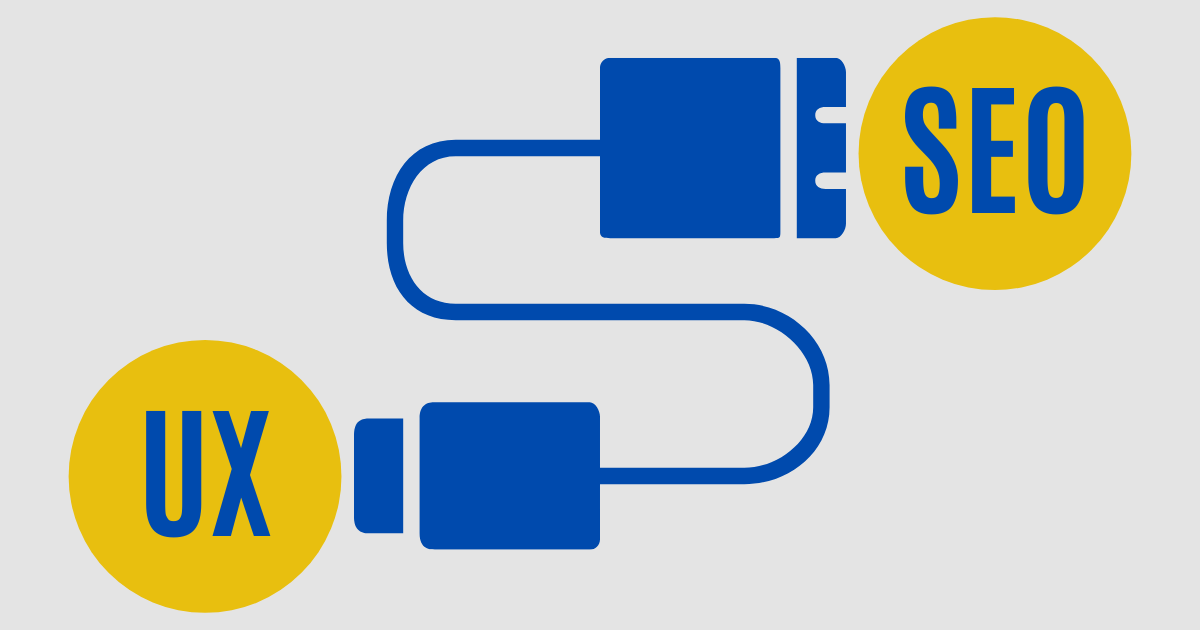
This article delves deep into the symbiotic relationship of seo and ux, illustrating how their fusion crafts not just discoverable but delightfully usable digital experiences. The goal is to illuminate the strategic integration of these elements with a fresh, insightful perspective and practical guidance.
Defining the Duo: SEO and UX
Before exploring their synergy, it’s important to clarify what each term entails.
SEO focuses on optimizing websites to rank higher on search engines. It revolves around keywords, backlinks, site structure, metadata, and technical finesse. The ultimate aim is to attract organic traffic by making content discoverable and relevant.
UX, on the other hand, emphasizes designing interfaces and experiences that users find intuitive, engaging, and satisfying. It involves usability, accessibility, aesthetics, interaction design, and emotional connection. A great UX ensures visitors stay longer, convert more, and return frequently.
Though their goals may seem distinct—one attracting visitors, the other keeping them—successful websites prove that seo and ux are inseparable pillars of digital success.
The Symbiotic Relationship: Why SEO Needs UX and Vice Versa
The old paradigm treated seo and ux as silos, with marketers focusing solely on keywords and developers zeroing in on design. However, search engines have evolved, incorporating user-centric metrics into ranking algorithms. Factors like dwell time, bounce rate, and page experience show that UX now directly impacts SEO performance.
Conversely, UX without SEO is like a beautiful store hidden in an alley; no matter how enticing, if customers can’t find it, it’s futile.
Here are the foundational reasons why seo and ux work together perfectly:
- Enhanced Discoverability and Engagement: SEO brings users to your site, while UX ensures they have a positive experience, reducing bounce rates and increasing conversions.
- Search Engines Favor User-Centric Sites: Google’s algorithms reward websites that deliver fast, accessible, and user-friendly experiences.
- Unified Goal of Meeting User Intent: Both disciplines aim to satisfy what users seek, be it information, products, or services.
- Improved Accessibility: SEO best practices often overlap with accessibility principles, making your site usable for all, including people with disabilities.
Key Areas Where SEO and UX Intersect
Understanding specific touchpoints where seo and ux converge helps to design strategies that optimize both simultaneously.
1. Site Structure and Navigation
Clear, logical site architecture is a win-win. For SEO, it allows search engine bots to crawl and index your pages efficiently. For UX, it enables visitors to find what they need without frustration.
- Use a hierarchical structure with categories and subcategories.
- Implement breadcrumb navigation.
- Ensure menus are intuitive and consistent.
- Avoid deep nesting of pages beyond three clicks from the homepage.
This dual optimization reduces crawl errors and user confusion, enhancing both rankings and satisfaction.
2. Page Speed and Performance
Loading speed remains a critical metric for both SEO and UX.
- Slow sites increase bounce rates and negatively impact rankings.
- Users expect near-instantaneous responses; delays frustrate and drive them away.
Techniques such as image compression, caching, CDN usage, and minimizing JavaScript deliver lightning-fast experiences, pleasing both Google’s algorithms and human visitors.
3. Mobile Responsiveness
With mobile devices dominating web traffic, a mobile-first approach is indispensable.
- Google predominantly uses mobile versions for ranking and indexing.
- UX demands responsive layouts, touch-friendly elements, and optimized media for smaller screens.
Ensuring your website adapts fluidly across devices satisfies seo and ux criteria, keeping both search engines and users happy.
4. Content Readability and Engagement
Content is the linchpin where seo and ux truly harmonize.
- SEO demands relevant keywords, clear metadata, and structured data.
- UX requires content that is digestible, scannable, and engaging.
Break content into short paragraphs, use headers, bullet points, and visuals. Incorporate storytelling and conversational tones to connect emotionally, while integrating keywords naturally to maintain SEO integrity.
5. Secure and Accessible Website
Security and accessibility are pillars of trust and usability.
- HTTPS is a ranking factor and signals to users that your site is safe.
- Accessibility features like alt text for images, keyboard navigation, and ARIA labels ensure inclusivity.
Together, these elements reflect a commitment to user welfare and compliance, boosting SEO authority and UX credibility.
Advanced Strategies to Fuse SEO and UX
Once foundational elements are in place, diving deeper into the fusion of seo and ux can elevate your digital strategy to elite levels.
Semantic Search and Intent Optimization
Modern search engines prioritize user intent and semantic understanding over simple keyword matching.
- Conduct thorough intent analysis to tailor content that answers users’ underlying questions.
- Use related terms, synonyms, and natural language to create context-rich pages.
This approach improves relevance, which benefits SEO rankings and provides users with exactly what they seek.
UX-Driven Keyword Research
Traditional keyword research focuses on search volume and difficulty. Adding a UX lens transforms it:
- Analyze user behavior to uncover language they use and problems they face.
- Identify keywords linked to user journeys and conversion triggers.
By aligning keyword strategy with UX insights, content becomes more targeted and impactful.
Interactive Elements and Engagement Signals
Interactive features such as quizzes, polls, calculators, and chatbots enhance engagement.
- These elements increase time-on-site, reduce bounce rate, and encourage sharing.
- SEO benefits from positive behavioral metrics, while UX delights users with dynamic experiences.
Ensure interactive elements are fast-loading, accessible, and relevant to the content.
Structured Data and Rich Snippets
Implementing structured data not only boosts SEO by helping search engines understand your content but also improves UX through visually appealing rich snippets.
- Enhanced search results with images, ratings, FAQs, and events attract clicks.
- Users gain immediate, valuable information before even visiting your site.
This integration blurs the line between discovery and experience, marrying seo and ux perfectly.
Measuring the Impact of SEO and UX Integration
To gauge how well seo and ux collaborate, track a blend of SEO metrics and UX indicators:
- Organic traffic and keyword rankings.
- Bounce rate and session duration.
- Conversion rates and user satisfaction surveys.
- Core Web Vitals such as Largest Contentful Paint (LCP), First Input Delay (FID), and Cumulative Layout Shift (CLS).
Analyzing these KPIs holistically reveals opportunities to fine-tune your site, ensuring the SEO-UX partnership remains strong.
Common Pitfalls to Avoid in SEO and UX Alignment
Despite their natural synergy, there are traps that can sabotage the balance between seo and ux:
- Keyword Stuffing vs. Readability: Overloading pages with keywords harms UX and triggers search engine penalties.
- Intrusive Pop-Ups: Aggressive interstitials irritate users and can reduce rankings.
- Ignoring Mobile Users: Desktop-only designs alienate the majority of visitors.
- Complex Navigation: Overcomplicated menus frustrate users and dilute link equity.
Avoid these missteps by prioritizing user-centric design while respecting SEO principles.
Future Outlook: The Evolving Duo of SEO and UX
As artificial intelligence and machine learning redefine search algorithms and user expectations, the fusion of seo and ux will deepen.
- Voice search and conversational interfaces will require natural language optimization combined with intuitive UX.
- Personalization and adaptive experiences will tailor content dynamically, challenging traditional SEO tactics.
- Core Web Vitals and experience signals will become even more significant ranking factors.
Embracing these trends with an integrated SEO and UX mindset will future-proof digital strategies.
The perfect marriage of seo and ux is no longer optional; it’s the cornerstone of digital excellence. When SEO’s technical precision meets UX’s empathetic design, the result is a website that attracts, engages, and converts effortlessly.
By meticulously optimizing site structure, speed, mobile responsiveness, content, and interactivity through the lens of both disciplines, businesses create unforgettable experiences that dominate search rankings and delight users alike.
Embrace the synergy of seo and ux—because in the digital world, it’s not just about being found; it’s about being loved once you’re found.